
Converted from Australian dollars at the rate on 12 October 2026, so treat them as rough.
This guide is for older people planning ahead, and for adult children arranging care for a parent in Thailand. It covers the kinds of care on offer, what homes charge, how Thailand licenses them, and the visa, insurance and legal questions to settle first.
Thailand has plenty of care homes used to foreign residents, mostly around Chiang Mai, Bangkok, Pattaya, Hua Hin and the islands. The catch is that you pay the whole cost yourself, health insurance rarely helps, and checking a home is up to you. Everything here comes from Thai government pages, the UK Government’s list of care homes and what the homes publish themselves.
The kinds of care on offer
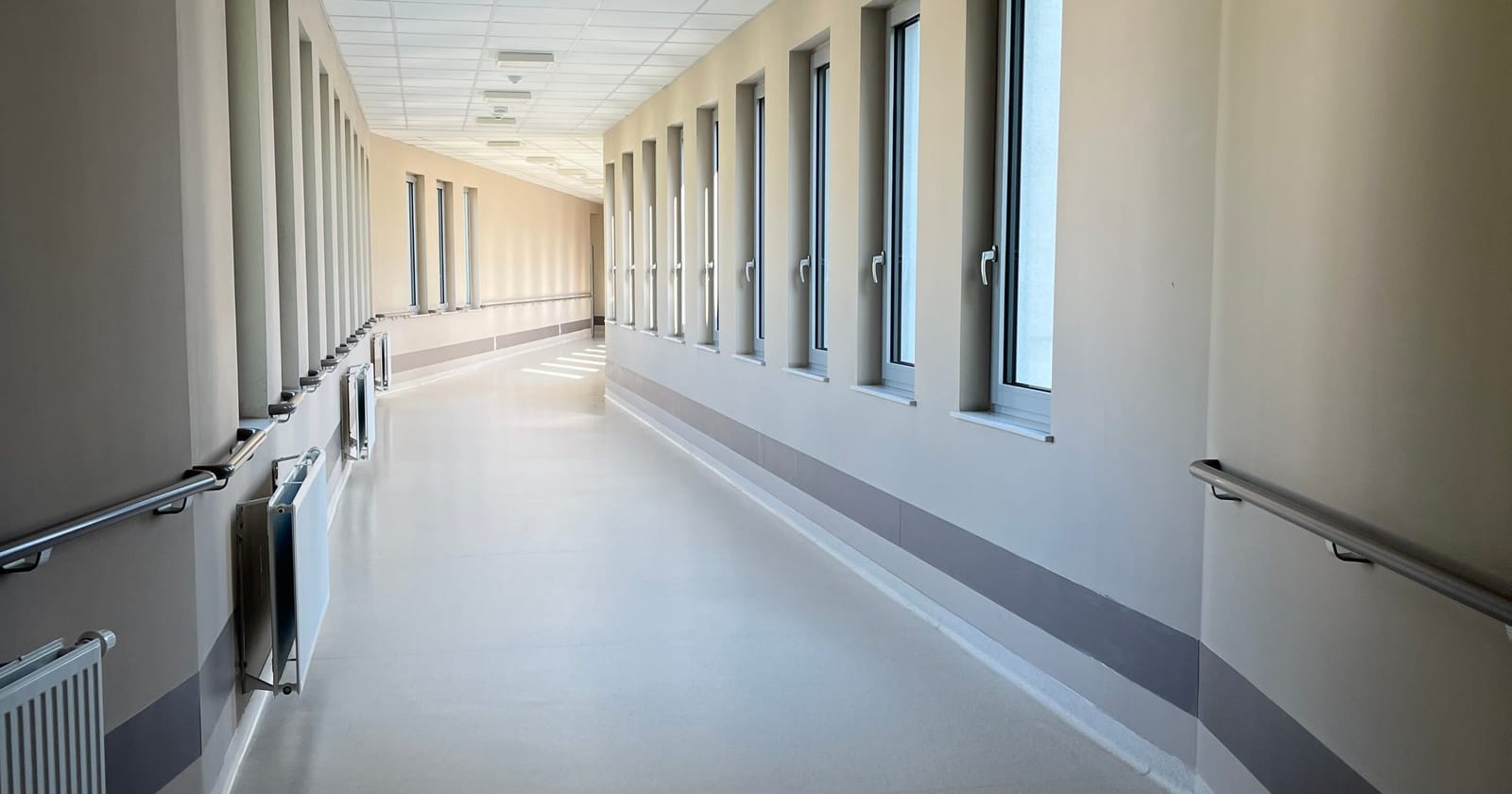
The UK Government’s guidance says most private care homes are in Bangkok and the provincial capitals, that they help with daily needs and liaise with doctors, and that most major hospitals have links with care homes nearby. Most homes in the big cities have English-speaking staff.
- Thai nursing homes. Many are run mainly for Thai families. Rooms are simple and often shared, and the care is hands-on: bathing, feeding, and turning people who can’t move themselves.
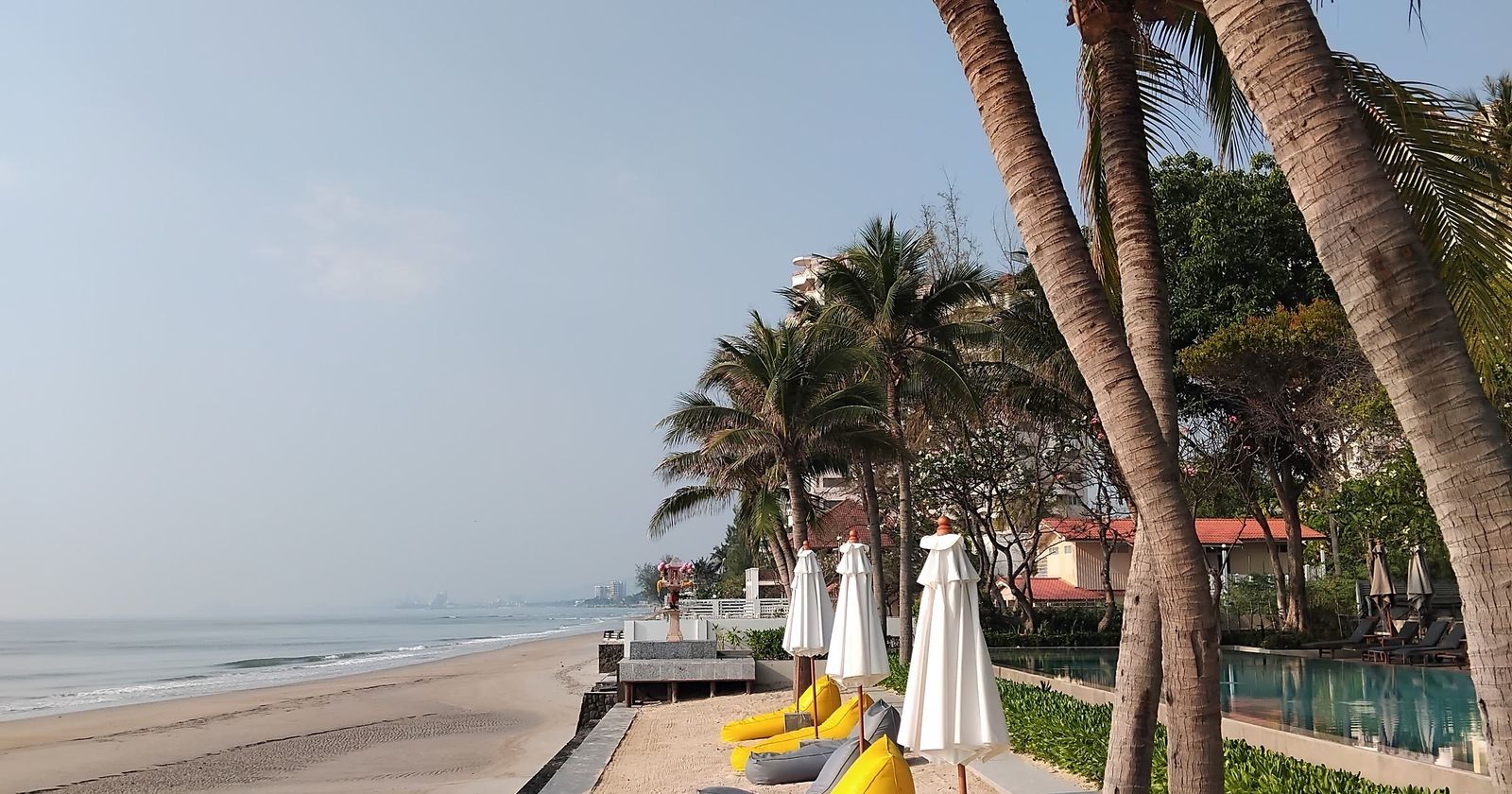
- Homes and resorts run for foreigners. On the UK Government’s list, Chiang Mai has the most, with others around Pattaya, Hua Hin, Phuket and Koh Samui. Many work like a serviced resort: you rent a room or villa, then add meals and hours of care as you need them. Several offer dementia care.
- Hospital-run long stays. Some private hospitals have their own long-term, recovery and end-of-life care. At Jomtien Hospital’s respite care centre in Pattaya, for example, a doctor visits weekly and is on call around the clock.
- Care at home. Agencies send nursing assistants or qualified nurses by the day or the month. Some hospitals send staff for set tasks: Bangkok Hospital Pattaya lists wound care, catheter and feeding tube changes, and home physiotherapy under its Hospital to Home service.
How Thailand licenses care homes
Since 28 January 2021, businesses that care for older or dependent people have needed a licence under Thailand’s Health Establishment Act, administered by the Department of Health Service Support (DHSS) in the Ministry of Public Health. The 2020 regulation covers day care, residential care, and overnight care that includes palliative support.
Three permissions matter:
- a business licence for the home itself
- an operator’s licence for the person who runs it
- registration for each carer, who has to be trained before starting work
Care given inside a hospital or clinic comes under a separate law for medical facilities. A care home is not a hospital, and its licence doesn’t make it one.
DHSS runs a public register where you can look up a home by licence number or name, and check a manager or carer too. It’s in Thai, so ask the home for its licence number and registered name, or get a Thai speaker to search with you.
Why it matters now
In October 2026 the health ministry revoked the licence of a home in Kanchanaburi that was licensed for 50 beds and found with 129, most of them psychiatric patients it had no licence to take. Days later, inspectors found a home in Nonthaburi using two unlicensed buildings, after allegations that residents were chained and denied food. The minister ordered checks of all of about 1,200 registered elderly care businesses within two months, and DHSS met on 19 October to set out what these homes may provide.
Bangkok Biz News reported a DHSS deputy director-general saying these homes may care for older people and people with physical dependency, but not people with serious psychiatric illness, who need a licensed medical facility. Homes are normally inspected about once a year, so a licence is the starting point, not proof that a home is well run.
What care costs
Thai-run nursing homes near Bangkok publish prices of 22,000–32,000 THB a month (about A$940–1,400). Homes run for foreigners cost more, often much more once meals and care are added. The care home examples below are homes on the UK Government’s list that put prices on their own websites, checked in October 2026. They aren’t recommendations, so ask any home for a written quote.
| Care | Example, as published | THB/month | A$/month |
|---|---|---|---|
| Shared room, Thai nursing home | Nest Nursing Home, Samut Prakan | from 22,000 | from 940 |
| Private room, Thai nursing home | Nest Nursing Home, Bangkok | 32,000 | 1,400 |
| Carer or nurse at home | VNurse Care, Bangkok area | 22,500–46,500 | 960–2,000 |
| Resort room, full board, up to 8 hours’ care | Ban Sabai, Chiang Mai | 130,000 | 5,600 |
What a Thai nursing home includes. Nest Nursing Home’s 32,000 THB private room in Bangkok covers the room (with a shared bathroom), three meals, help with bathing, nappy changes, turning and feeding, basic physiotherapy, activities and laundry. Nappies, medicines, procedures such as tube feeding, escorts to hospital and deposits cost extra, and the home warns that nappies alone can add several thousand baht a month for someone bedridden. Nymph Care Home in Pathum Thani, just north of Bangkok, lists long-term nursing care from 22,000 THB a month.
How resort-style prices add up. At Ban Sabai in Chiang Mai, a room for a stay of seven months or more costs 57,000–100,000 THB a month (about A$2,400–4,300), with breakfast and cleaning twice a week. Full board adds 40,000 THB (about A$1,700). Care is priced by how many hours you need: from 19,000 THB (about A$810) for three to four hours of shared care, up to 99,000 THB (about A$4,200) for one-to-one care around the clock. The cheapest long-stay room with full board and up to eight hours’ care comes to 130,000 THB a month (about A$5,600). Shorter stays cost more.
Dementia care. VivoCare, with homes in Chiang Mai and Hua Hin, publishes one all-inclusive price of US$3,500 a month (about A$5,000). That covers a private room, nursing support around the clock, three meals, laundry, occupational therapy and help with visas. One-to-one care overnight costs extra, and it doesn’t ask for a deposit.
Care at home. I couldn’t find VNurse Care’s prices on its own site, so treat these as an indication. Its regular monthly rates for Bangkok and three nearby provinces, printed in a 2026 offer from the card company KTC, run from 22,500 THB (about A$960) for a nursing assistant to 46,500 THB (about A$2,000) for a registered nurse, plus a 10 percent service charge and 7 percent VAT. Its terms describe a shift as 12 hours, and a carer who lives in needs meals and a room from you.
Short stays. Nest and Nymph both list 1,500 THB a day (about A$64) for a short stay, and Nest’s day care runs from 8am to 8pm for 1,200 THB a day (about A$51). A short stay is the cheapest way to try a home.
None of these prices covers hospital bills, flights for visiting family or the yearly visa costs. Care needs usually grow, too, so budget for the next level of care, not just today’s.
How to choose a home
The UK Government’s list of care homes in Thailand, last updated in August 2026, has more than 30 homes, from Bangkok and Chiang Mai to Phuket and Koh Samui. The homes on it told the British Embassy that they meet the standards of the UK’s Care Quality Commission. That’s the homes’ own word, not an inspection, so use the list as a place to start. Then, for each home:
- The licence. Look up the business licence number on the DHSS register. Check that the manager holds an operator’s licence, and ask whether every carer is registered.
- The right licence for the care. If the home offers medical care, such as a doctor on site, drips or care for psychiatric illness, ask which licence covers it.
- Staff at night. Ask how many carers and nurses are on duty after dark, and whether any of them speak the resident’s language.
- The hospital. Which hospital does the home use, how far away is it, who goes with the resident, and does that hospital bill your insurer directly?
- Safety. The October 2026 inspections cover 24-hour supervision, smoke and fire alarms, and first-aid equipment. Look for them yourself.
- Restraint and sedation. Ask how staff handle someone who is distressed or wanders, and when, if ever, they restrain or sedate a resident. Expect a straight answer.
- The contract. Get in writing what’s included and what’s extra, the deposit and how it’s refunded, the notice period, how prices rise, and what happens when needs change or near the end of life.
- Visits. Go more than once, at different times of day, and stay for a meal. Then book a short stay before you commit. Vivobene offers trial stays, and Nest and Nymph list daily rates.
If something goes wrong, you can complain to DHSS through its website or to the provincial public health office.
Dementia care
Homes on the UK list that offer dementia care around Chiang Mai include VivoCare, Vivobene and Care Resort Chiang Mai, which has a small memory care unit. On top of the checks above, ask:
- How are the garden and doors kept secure for someone who wanders?
- Will the same carers look after the resident most days? VivoCare, for example, says it matches residents with regular carers and has at least one staff member for every resident.
- What happens if behaviour becomes hard to manage? A care home isn’t a psychiatric facility, so ask which hospital and psychiatrist it would call.
- How often will the home report to the family, and how?
A long flight, the heat and a new language are a big change for anyone with dementia. Talk it through with the person’s own doctor before you decide, and ask what they’d need for the journey.
The visa side
The resident still needs a visa in their own name, and for most people over 50 that’s the retirement visa. For the Non-Immigrant O-A, you must be 50 or over, show 800,000 THB (about A$34,000) in the bank or income of 65,000 THB a month (about A$2,800), or a mix of the two, and hold health insurance of at least US$100,000. The Thailand retirement visa guide covers both routes, the paperwork and renewals.
For someone frail or with dementia, the yearly renewal is the hard part. The money test applies every year, someone has to handle the immigration paperwork, and the 90-day address reports keep coming. Ask each home whether it helps: VivoCare and Vivobene both list visa help.
Since 15 September 2026, family visiting from Australia, the UK, the US, Canada or New Zealand get 30 days without a visa. Staying longer means a visa of your own. If the person who needs care is under 50, the retirement visa isn’t open to them, and moving to Thailand covers the other routes.
Insurance and who pays
Health insurance pays for hospital treatment, not for living in a care home. Cigna Global’s policy rules for 2026, for example, exclude nursing care “such as accommodations, meals and living expenses” and any treatment in a residential or elderly care facility, “even if the treatment is medically necessary”. They also exclude hospital stays for washing, dressing and bathing. Ask your own insurer, and get the answer in writing.
Keep the health insurance anyway, because a resident who falls or gets pneumonia goes to hospital. Smartraveller warns that Thai hospitals often need to confirm your insurance before they treat you, even in an emergency, and otherwise you may have to pay cash up front. If you’re buying a new policy, check the age limit: APRIL International’s long-term plan doesn’t take new customers past 70. The healthcare and insurance guide covers what to compare.
Help from your home country mostly stays at home:
- Australians. Smartraveller says the government can’t organise or pay for aged care overseas, and the support you can get from Australia is limited if you retire abroad. Medicare pays only for treatment in Australia, and only for five years after you move. You may still get the Age Pension, though it may be less than in Australia: see the Age Pension overseas.
- Britons. GOV.UK says Attendance Allowance can be paid abroad for up to 13 weeks, or 26 for medical treatment, and its rules for permanent moves cover only the EEA and Switzerland. Thailand isn’t on GOV.UK’s list of countries where the State Pension rises each year: see your UK State Pension abroad.
- Americans. Medicare usually doesn’t pay for care outside the US.
- Canadians and New Zealanders. Ask your own pension and health offices before you go.
Moving home later is always possible, but plan for the cost: Smartraveller warns that medical repatriation can cost hundreds of thousands of dollars.
If you’re arranging care for a parent
- Decide together while you can. If your parent can still weigh it up, make the decision with them, and write down what they want, including at the end of life.
- Sort out legal authority first. GOV.UK warns that a UK lasting power of attorney may not be recognised in Thailand, and that Thai authorities are unlikely to recognise a UK will unless a Thai court has approved the executor. Assume the same of a power of attorney from anywhere else until a Thai lawyer tells you otherwise, and get that advice before capacity becomes a question.
- Plan the money. Work out who can use the Thai bank account, where the pension is paid, how the home is paid, and who pays a hospital deposit in the middle of the night.
- Have someone close by, and agree how you’ll hear. A friend in Thailand, or a named person at the home who will ring you, matters when decisions have to be made fast. Agree on regular video calls and a call after any fall or hospital visit.
- Think about the air. Smartraveller says smoke haze affects the north and north-east from March to April, and that air pollution in Chiang Mai can be particularly bad. If your parent has heart or lung problems, ask the home how it keeps the air indoors clean.
To compare Thailand with the other countries I cover on hospitals, visas and costs, start with retiring in South East Asia.
Frequently asked questions
How much does a nursing home in Thailand cost?
Published prices start at about 22,000 THB a month (about A$940) for a shared room in a Thai-run nursing home near Bangkok, and 32,000 THB (about A$1,400) for a private room. Homes run for foreigners in Chiang Mai cost more. One charges 57,000–100,000 THB a month for a room with breakfast, with other meals and care on top. Nappies, medicines and hospital visits are usually extra everywhere.
Can foreigners live in a care home in Thailand?
Yes. Homes in Chiang Mai, Bangkok, Pattaya, Hua Hin, Phuket and Koh Samui take foreign residents, and the UK Government keeps a list of them. The resident still needs a visa in their own name, usually the retirement visa for people 50 and over, with its money test and yearly renewal.
How do I check a care home in Thailand is licensed?
Ask for the home's licence number and look it up on the Department of Health Service Support's online register, which also covers licensed managers and registered carers. Elderly care businesses have needed a licence since January 2021. The licence states how many beds the home may use, so compare it with what you see.
Does health insurance pay for a care home in Thailand?
Usually not. International health policies pay for hospital treatment, and Cigna Global's 2026 policy rules, for example, exclude accommodation, meals and any treatment in a residential or elderly care facility. Keep your insurance for hospital stays, and plan to pay for the care itself from savings or a pension.
Is there dementia care in Chiang Mai for foreigners?
Yes. Several homes on the UK Government's list of care homes in Thailand offer dementia care in and around Chiang Mai, including VivoCare, Vivobene and Care Resort Chiang Mai. VivoCare publishes an all-inclusive price of US$3,500 a month (about A$5,000). Check each home's licence and ask about night staffing before you decide.
Sources
Last checked 25 October 2026
- Department of Health Service Support (Ministry of Public Health), the law regulating elderly care businesses takes effect (September 2020)hss.moph.go.th
- Ministerial Regulation making elderly or dependent care a health establishment business, B.E. 2563 (2020)hemd.hss.moph.go.th
- Department of Health Service Support, Health Establishment Division (complaints and contacts)hemd.hss.moph.go.th
- Department of Health Service Support, licence verification serviceshemd.hss.moph.go.th
- Department of Health Service Support, register of licensed elderly care establishmentsspa-services.hss.moph.go.th
- Department of Health Service Support, meeting on the scope of elderly care services (19 October 2026, Thai)prgroup.hss.moph.go.th
- Bangkok Biz News, Kanchanaburi care home closed and nationwide checks of about 1,200 centres (7 October 2026, Thai)bangkokbiznews.com
- Bangkok Biz News, inspection of a Nonthaburi care home and unlicensed buildings (9 October 2026, Thai)bangkokbiznews.com
- Bangkok Biz News, ministry orders inspection of elderly care facilities nationwide (11 October 2026, Thai)bangkokbiznews.com
- GOV.UK, list of care homes for British nationals in Thailand (updated 26 August 2026)gov.uk
- GOV.UK, living in Thailand (healthcare, wills and lasting powers of attorney)gov.uk
- GOV.UK, disability benefits if you go abroadgov.uk
- GOV.UK, countries where the State Pension is increased each year (updated September 2026)gov.uk
- Nest Nursing Home, elderly care costs at its Bangkok and Samut Prakan branches (22 October 2026, Thai)nestnursing.com
- Nymph Care Home, services and pricesthenymphcarehome.com
- Ban Sabai Village Senior Residence, pricesbansabaicare.com
- VivoCare, dementia care in Chiang Mai and Hua Hinvivocare.org
- VivoCare, pricingvivocare.org
- Vivobene, long-term care in Doi Saket, Chiang Maivivobene.asia
- Care Resort Chiang Mai, care and memory carecareresortchiangmai.com
- Jomtien Hospital, respite care centrejomtienhospital.com
- Bangkok Hospital Pattaya, Hospital to Home servicebangkokhospital.com
- KTC, VNurse Care home care packages and regular prices (2026, Thai)ktc.co.th
- Cigna Global, Health Options policy rules (February 2026), general exclusionscignaglobal.com
- APRIL International, long-term international health insurance plan (age limit)april-international.com
- Royal Thai Embassy Oslo, Non-Immigrant O-A requirements (updated 15 September 2026)oslo.thaiembassy.org
- Thai General Insurance Association, O-A visa insurance guidelinelongstay.tgia.org
- Tourism Authority of Thailand, 30-day visa exemption from 15 September 2026tatnews.org
- Smartraveller, going overseas to retire (aged care, Age Pension, Medicare and returning home)smartraveller.gov.au
- Smartraveller, Thailand (medical facilities and smoke haze)smartraveller.gov.au
- Medicare.gov, travel outside the USmedicare.gov
General information only, current as of 25 October 2026. Rules change, so confirm visa, tax and legal details with the relevant authority or a licensed professional before acting.