
Converted from Australian dollars at the rate on 12 October 2026, so treat them as rough.
Vietnam is cheaper than Thailand, but by less than most YouTube budgets suggest. For the same comfortable life, Ho Chi Minh City costs about A$550 a month less than Bangkok, and Da Nang about A$300 a month less than Chiang Mai.
This guide gives real monthly budgets for one person in all four cities, at three levels: frugal, comfortable and comfortable-plus. Then it covers the costs most online budgets leave out, which is where people actually get caught.
Figures are worked out in Australian dollars at October 2026 exchange rates (23.4 baht and 18,100 dong to the Australian dollar). The menu at the top of the guide shows them in your own currency. Couples should add roughly 50 to 70 percent, not double.
Thailand vs Vietnam at a glance
For the same comfortable life, Vietnam’s cities come out about 15 to 20 percent cheaper than their Thai equivalents. Most of the gap is rent and eating out.
| City | Comfortable budget (A$/mth) |
|---|---|
| Bangkok, Thailand | 2,210–3,340 |
| Chiang Mai, Thailand | 1,600–2,560 |
| Ho Chi Minh City, Vietnam | 1,700–2,720 |
| Da Nang, Vietnam | 1,365–2,210 |
Bangkok and Ho Chi Minh City are the big-city pair. Chiang Mai and Da Nang are the quieter, cheaper pair.
Price isn’t the only difference. Thailand has a proper retirement visa and the stronger hospitals. Vietnam has no retirement visa, so most retirees renew a 90-day e-visa four times a year. If you haven’t picked a country yet, read Thailand vs Vietnam first, then come back for the numbers.
Bangkok, Thailand
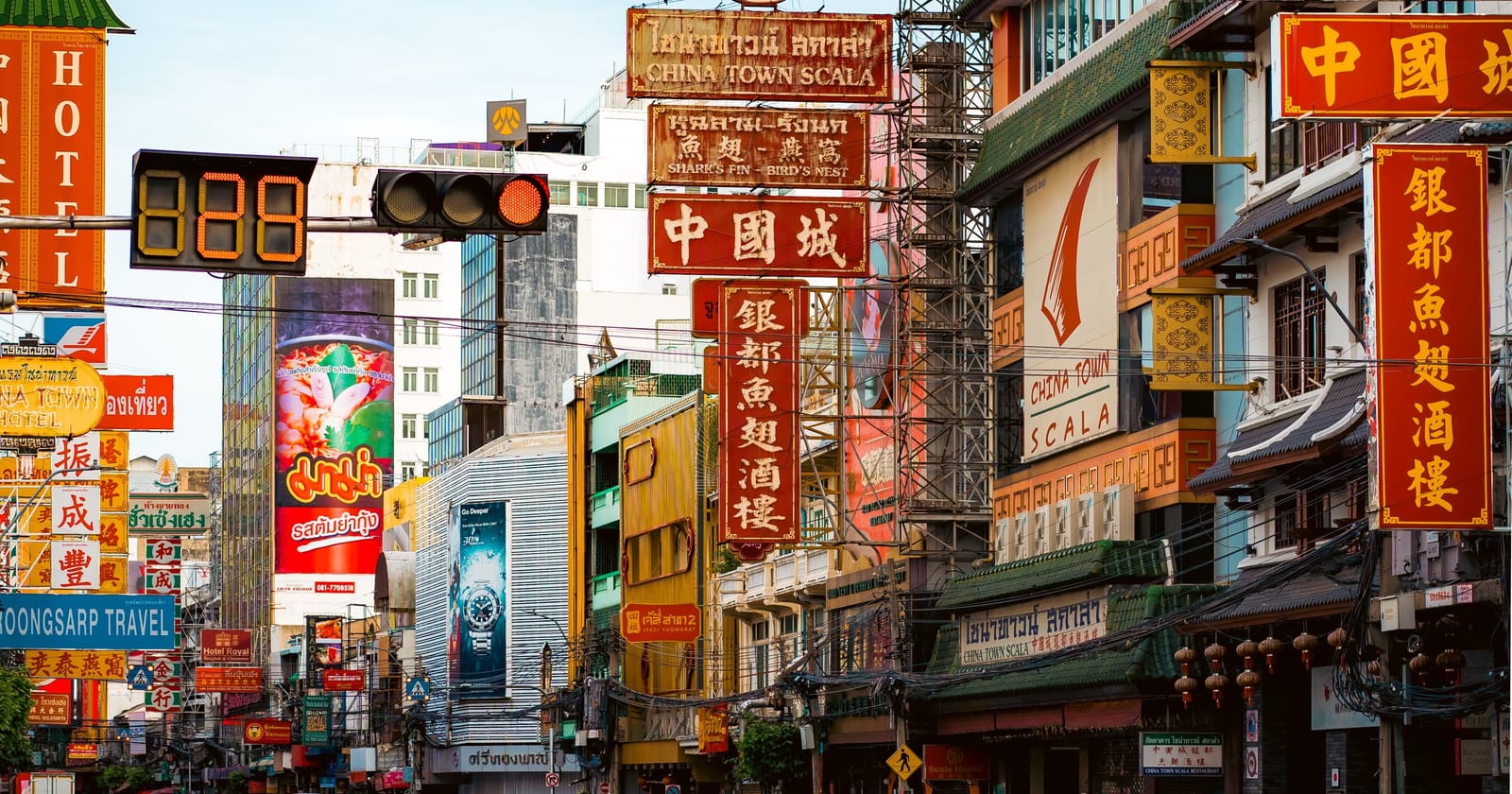
Bangkok has everything a big Western city has, plus far better street food and some of the region’s best private hospitals. It’s also the most expensive of the four, mostly because of rent in the popular expat areas.
| Expense | Frugal (A$/mth) | Comfortable (A$/mth) | Comfortable+ (A$/mth) |
|---|---|---|---|
| Rent (1 bed, central) | $700–900 | $1,100–1,600 | $1,800–2,800 |
| Food & Dining | $250–350 | $450–650 | $700–1,000 |
| Transport | $60–100 | $120–200 | $250–400 |
| Health Insurance | $120–180 | $180–280 | $280–500 |
| Utilities & Internet | $80–110 | $110–160 | $160–220 |
| Entertainment & Social | $100–200 | $250–450 | $500–900 |
| Total Monthly | $1,310–1,840 | $2,210–3,340 | $3,690–5,820 |
Chiang Mai, Thailand
Chiang Mai is about a quarter cheaper than Bangkok, slower, and a little cooler from November to February. It has a big, settled expat community. The catch is the smoky burning season from roughly February to April, when many residents leave for a few weeks. Budget for that trip.
| Expense | Frugal (A$/mth) | Comfortable (A$/mth) | Comfortable+ (A$/mth) |
|---|---|---|---|
| Rent (1 bed, good area) | $450–650 | $700–1,100 | $1,200–1,800 |
| Food & Dining | $180–260 | $320–480 | $550–800 |
| Transport | $50–90 | $100–180 | $200–350 |
| Health Insurance | $120–180 | $180–280 | $280–500 |
| Utilities & Internet | $70–100 | $100–140 | $140–190 |
| Entertainment & Social | $80–150 | $200–380 | $400–700 |
| Total Monthly | $950–1,430 | $1,600–2,560 | $2,770–4,340 |
Ho Chi Minh City (Saigon), Vietnam
Saigon is where I first stayed long term: loud, fast and very good value. It’s cheaper than Bangkok, and the main expat areas (the old Districts 1, 2 and 7, including Thao Dien) have everything you’ll need. Districts were abolished in the 2025 reorganisation, but everyone still uses the old names. Some people love the chaos and some can’t stand it, so visit first.
| Expense | Frugal (A$/mth) | Comfortable (A$/mth) | Comfortable+ (A$/mth) |
|---|---|---|---|
| Rent (1 bed, expat area) | $500–750 | $850–1,300 | $1,400–2,200 |
| Food & Dining | $150–220 | $300–480 | $550–900 |
| Transport | $40–80 | $100–180 | $200–350 |
| Health Insurance | $100–160 | $160–250 | $250–450 |
| Utilities & Internet | $60–90 | $90–130 | $130–180 |
| Entertainment & Social | $80–150 | $200–380 | $400–750 |
| Total Monthly | $930–1,450 | $1,700–2,720 | $2,930–4,830 |
Da Nang, Vietnam
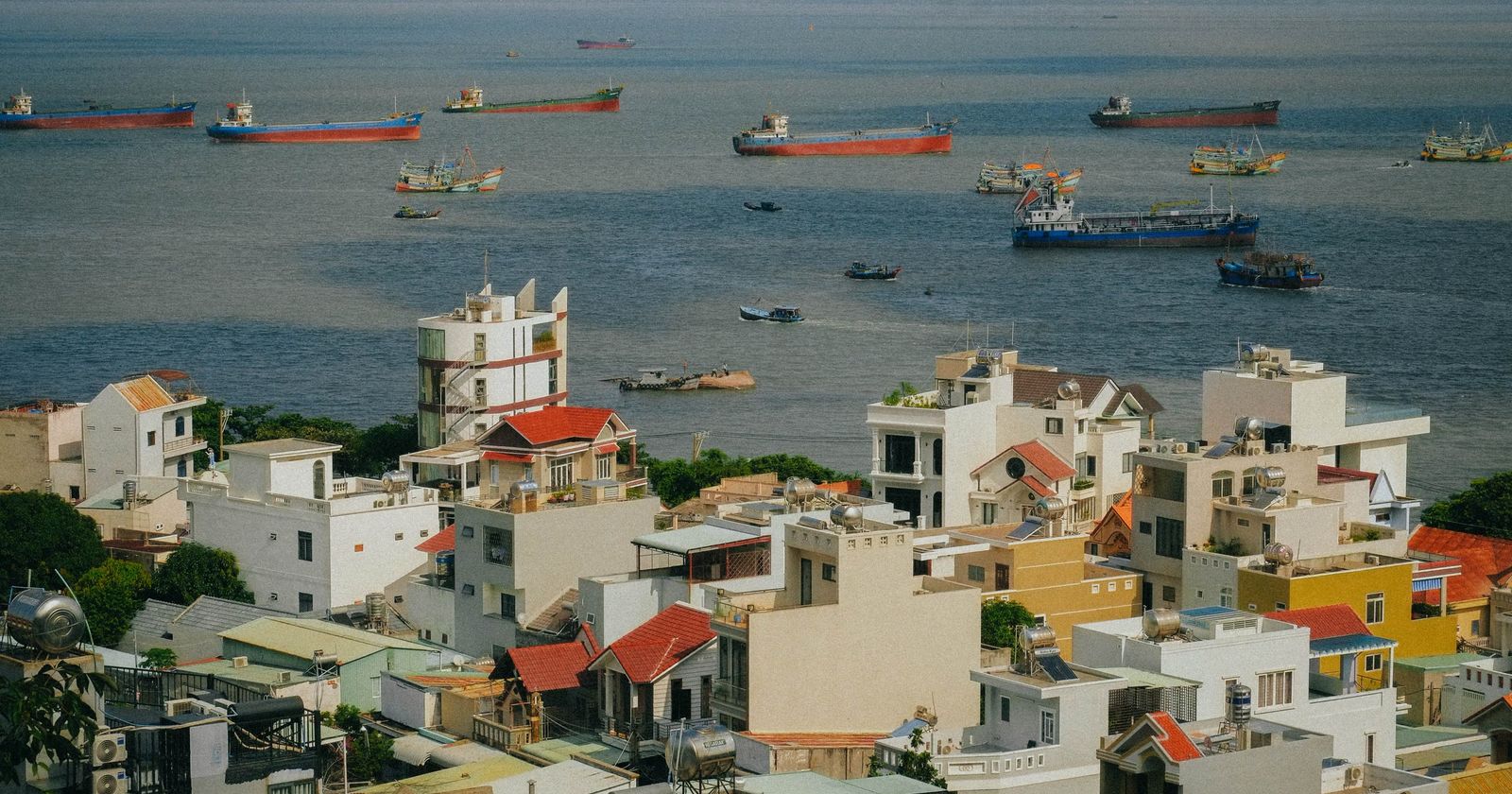
Da Nang is a mid-sized beach city with good internet, a growing expat community and the lowest costs of the four. Since the 2025 merger it also takes in Hoi An. Typhoon season (roughly September to December) brings heavy rain and the occasional flood.
| Expense | Frugal (A$/mth) | Comfortable (A$/mth) | Comfortable+ (A$/mth) |
|---|---|---|---|
| Rent (1 bed, near beach) | $350–550 | $600–950 | $1,000–1,600 |
| Food & Dining | $130–200 | $270–420 | $480–750 |
| Transport | $40–70 | $80–150 | $160–280 |
| Health Insurance | $100–160 | $160–250 | $250–450 |
| Utilities & Internet | $55–85 | $85–120 | $120–170 |
| Entertainment & Social | $70–130 | $170–320 | $350–650 |
| Total Monthly | $745–1,195 | $1,365–2,210 | $2,360–3,900 |
The costs most budgets leave out
The city tables are the easy part. These are the costs that catch people out in their first year:
- Flights home: Bangkok or Ho Chi Minh City to Sydney is roughly A$800–1,400 return; Europe and North America cost more. Budget at least one trip a year.
- Visas: A Thai O-A retirement visa is about A$300 if you apply from Australia (fees vary by country), then 1,900 THB (about A$81) a year to extend in Thailand. A Destination Thailand Visa (DTV) is about A$600 and lasts five years. In Vietnam, four 90-day multiple-entry e-visas a year cost US$200 (about A$290), plus flights for the border runs.
- Transfer fees: Moving A$3,000 a month with Wise costs roughly 0.9 percent, about A$25 to A$30. See the money transfers guide.
- One-off setup costs: Furniture top-ups, new appliances, local SIM, initial deposits. Budget A$1,500–3,000 for the first month over your ongoing budget.
- Dental and optical: Much cheaper than at home, but still budget A$200–500 a year for routine care.
- Health insurance: The tables use mid-life premiums. Over 65, expect to pay much more. See the healthcare and insurance guide.
How much you need a month
For a comfortable life in any of these four cities, with a good apartment, eating out often, some regional travel and a social life, most single people need A$2,000 to A$3,200 a month. That leaves out big medical bills and one-off purchases.
If you can count on A$2,500 to A$3,000 a month, South East Asia works comfortably. On A$1,500 to A$2,000 it still works, especially in Chiang Mai or Da Nang, but you’ll need to plan. If you’re retiring on the Thai retirement visa, remember the 65,000 THB a month income test is about A$2,800, whatever you actually spend.
To try your own numbers, use the budget calculator. It works out a monthly figure from your own choices.
Frequently asked questions
Is Vietnam cheaper than Thailand to live in?
Yes, by about 15 to 20 percent for the same lifestyle. A comfortable single life in Ho Chi Minh City costs roughly A$1,700 to A$2,720 a month, against A$2,210 to A$3,340 in Bangkok. Most of the gap is rent and eating out.
How much do I need a month to live in Vietnam?
For one person living comfortably, about A$1,700 to A$2,720 a month in Ho Chi Minh City and A$1,365 to A$2,210 in Da Nang. That covers a good one-bedroom apartment, eating out often, health insurance and a social life. Frugal budgets start under A$1,000 but mean a basic flat and mostly local food.
How much do I need a month to live in Thailand?
For one person living comfortably, about A$2,210 to A$3,340 a month in Bangkok and A$1,600 to A$2,560 in Chiang Mai. On a Thai retirement visa you also need to show either monthly income of at least 65,000 THB (about A$2,800) or 800,000 THB (about A$34,000) in a Thai bank, whatever you actually spend.
How much more does a couple need?
Roughly 50 to 70 percent more than a single person, not double. Rent and utilities are shared, so the extra is mostly food, transport, health insurance and going out.
Sources
Last checked 13 October 2026
- Reserve Bank of Australia, exchange rates (12 October 2026)rba.gov.au
- Royal Thai Consulate-General Sydney, visa information and feessydney.thaiembassy.org
- Wise, send money from Australia to Thailand (fees)wise.com
- Vietnam Government News (via VnEconomy), e-visa validity, entry types and feesen.vneconomy.vn
General information only, current as of 14 October 2026. Rules change, so confirm visa, tax and legal details with the relevant authority or a licensed professional before acting.