
Converted from Australian dollars at the rate on 12 October 2026, so treat them as rough.
Kampot is a small river town in southern Cambodia where a comfortable single life costs about US$900 to US$1,500 a month (about A$1,300–2,100). The catch is healthcare: there’s one decent non-profit hospital outside town, and anything serious means Phnom Penh, three to four hours away, or a flight.
It suits retirees in reasonable health who want quiet more than convenience. I don’t live there yet. It’s likely my next base, so this is the homework I’ve been doing for myself, not a diary.
What Kampot is like, and who it suits
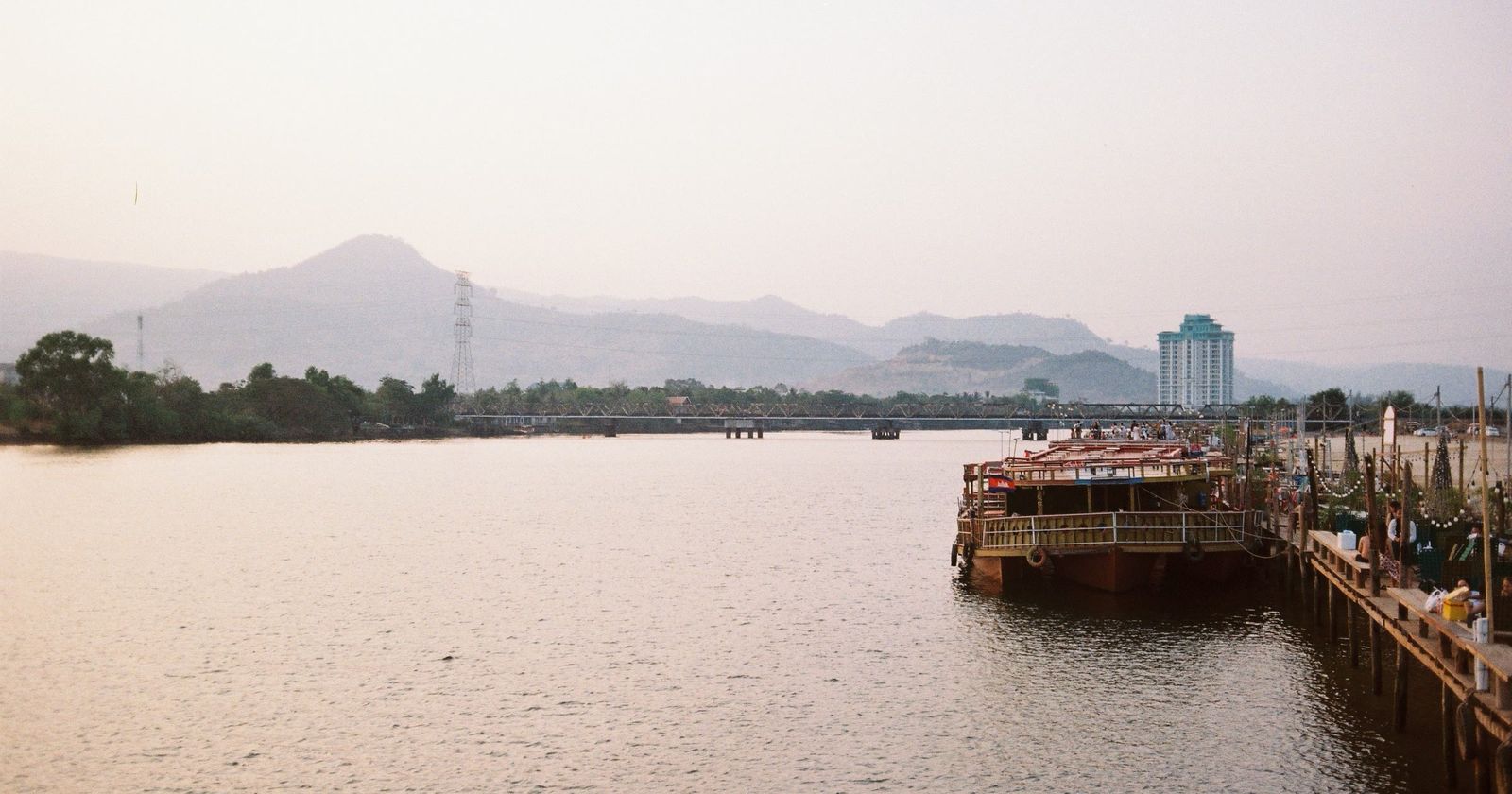
The town centre is a compact grid of French-colonial shophouses beside a wide, slow river, the Praek Tuek Chhu. Behind it the Bokor plateau rises out of the Elephant Mountains. Close by are the old French hill station on Bokor (Preah Monivong National Park, 32km up a switchback road and often in cloud), the pepper farms (Kampot pepper has protected geographical indication status), the salt fields towards Kep, and Kep’s crab market.
It’s quieter and more spacious than the cities, with a growing expat community and no rush. That’s what draws me. It’s also why it won’t suit everyone.
Kampot suits you if you:
- want a slow, small-town life and don’t need a city on your doorstep
- want low rent and some space, ideally near the river or with a garden
- are in reasonable health, well insured, and fine with a long trip for specialist care
- are happy to build your own social life, because the expat community is small
It’s a poor fit if you have complex ongoing health needs, want big shopping centres nearby, or struggle in the heat. Specialist doctors, the bigger supermarkets, embassies and many official errands all mean a trip to Phnom Penh.
What it costs to live in Kampot
Kampot runs cheaper than Phnom Penh, mostly because of rent. As a rough guide, a comfortable life for one person costs about US$900–1,500 a month (about A$1,300–2,100), including health insurance. That assumes a one-bedroom apartment or small house in town at about US$250–450 a month (about A$360–640), eating out often and getting around by tuk-tuk or scooter. A house with a garden on the river costs more.
For comparison, Phnom Penh is about US$1,200–2,000 a month (about A$1,700–2,900). My Cambodia cost of living guide breaks both down line by line, for singles and couples.
Landlords and most shops quote in US dollars, which are legal tender alongside the riel. Bring clean notes, because damaged ones get refused. Electricity is the bill that grows with the air conditioning, so ask whether you pay the state utility’s rate or one the landlord sets. Health insurance is the cost that rises most with age, so price it first.
The nearest hospital, and when you’d need Phnom Penh
The main option is Sonja Kill Memorial Hospital, about 7km west of town on National Road 3, the road towards Bokor. By its own account it’s a non-profit hospital and training centre with a 24-hour emergency department, surgery, maternity care and CT scanning. The UK Government’s list of medical facilities notes that its staff speak English and that it takes cash, card or approved insurance. The outpatient clinic runs on weekdays only. There’s also a public referral hospital in town.
Beyond that, be realistic. Smartraveller says there are almost no facilities outside Phnom Penh that can handle medical emergencies, and it lists foreign private clinics only in Phnom Penh, Siem Reap and Sihanoukville. Hospitals usually want cash up front and may hold your passport until you pay. The Australian Embassy’s list says care outside Phnom Penh and Siem Reap is limited or unavailable.
For anything serious you’d go to Phnom Penh or on to Bangkok or Singapore. That makes insurance with medical evacuation essential. Dengue is widespread, and rabies treatment is at the Institut Pasteur clinic in Phnom Penh, so ask your doctor about rabies vaccination before you move. The healthcare in Cambodia guide covers hospitals and insurance in detail.
Where people live
| Area | What it’s like | The trade-off |
|---|---|---|
| Town centre | Walkable, with apartments above shophouses and small houses near the riverfront, markets and restaurants | Busier and noisier, less space |
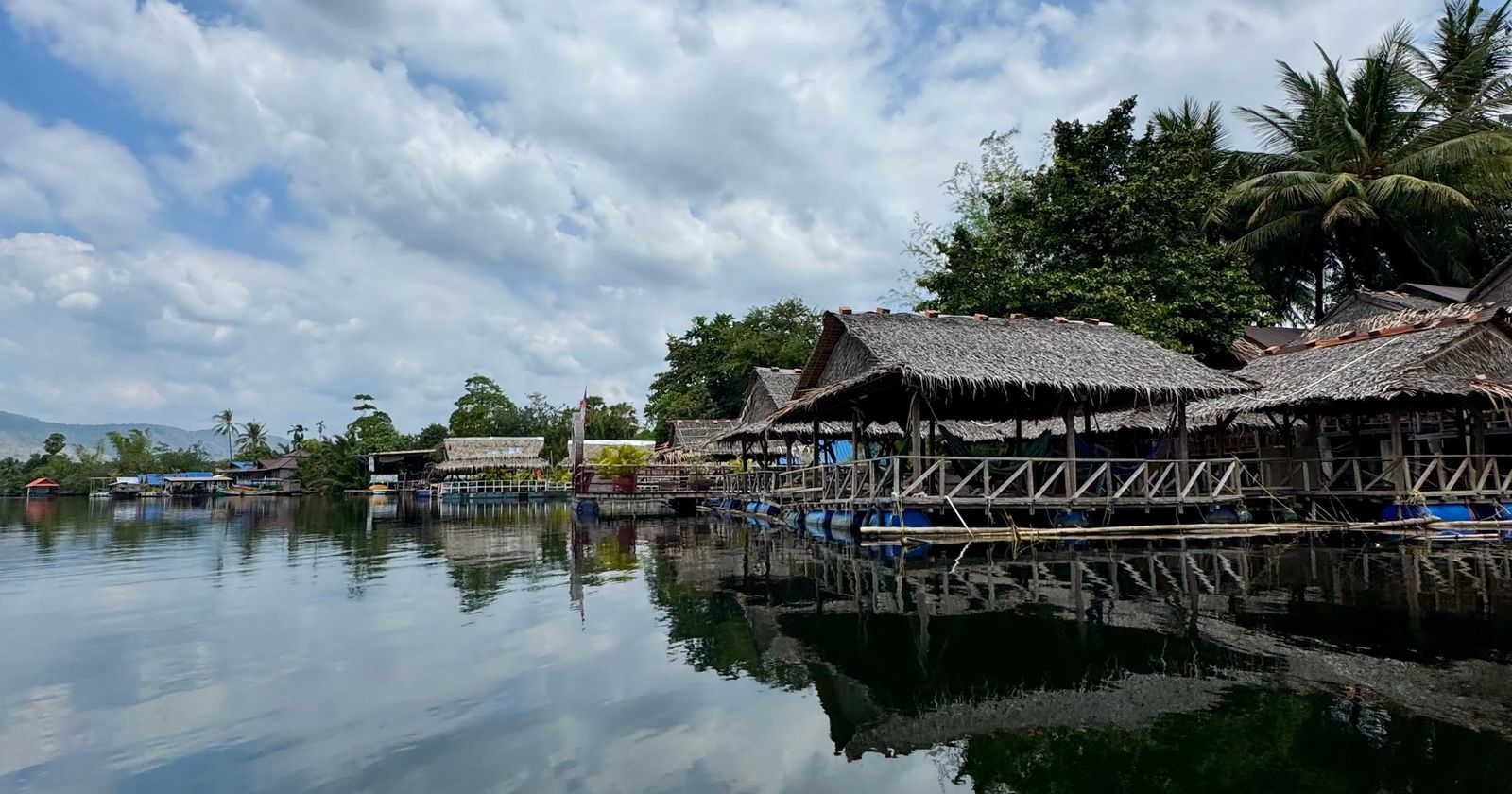
| Along the river, outside town | Bungalows and houses with gardens, quiet, on the water | You need a scooter or tuk-tuk to get to dinner; internet and road access vary |
| Out towards Kep | Pepper and salt country, more land, more privacy | More isolated; everything is a drive |
| Kep itself | Small seaside town with a national park and crab market | Almost no nightlife, fewer services, Kampot 45 minutes away |
Rent short term first, ideally through part of a wet season, before you sign a year’s lease. Ask whether the street floods in heavy rain, how reliable the power and internet are at that exact house, and whether the landlord will register you on FPCS, the address system your visa depends on. The apartment-hunting guide covers leases and deposits. Foreigners can’t own land in Cambodia, so talk to a Cambodian property lawyer before you buy anything.
Getting to Kampot
Kep, on the coast, is about 25km away (around 45 minutes), between Kampot and the Vietnamese border. Sihanoukville is roughly two hours by road.
By road from Phnom Penh it’s about 150km, and three to four hours by minivan, bus or private car on National Road 3. Cambodia’s first expressway, Phnom Penh to Sihanoukville, opened in October 2022, but it ends at Sihanoukville, not Kampot. There’s also a slow train on the southern line, though Smartraveller calls Cambodia’s rail services unreliable.
By air, most people land at Techo International Airport, south of Phnom Penh. It replaced the old Phnom Penh International Airport for passenger flights on 9 September 2025, so older advice about “the airport in the city” is out of date. Sihanouk International Airport is closer to Kampot but has far fewer flights.
Getting around, internet and power
The town centre is small enough to walk. Tuk-tuks are everywhere, and Grab and PassApp work in Kampot, though Smartraveller notes services there are limited.
Smartraveller says Cambodian law lets you ride up to 125cc without a licence, but some insurance policies exclude motorbike riding, so check yours. Helmets are compulsory. A car or bigger bike needs a Cambodian licence or, for Australians, an Australian licence plus an International Driving Permit; other nationalities should check their own government’s advice. The UK Foreign Office warns never to hand over your passport as a deposit when you hire a bike.
Fibre internet and 4G are available in town from several Cambodian providers. Outside town, test the connection at the house itself before you sign, especially if video calls with family matter to you. Ask the landlord and neighbours how often the power goes off on that street. If you rely on powered medical equipment, get a backup battery.
Visas
The rules are the same anywhere in Cambodia. Arrive on an ordinary (E) visa, not a tourist (T) visa. A tourist visa can be extended only once, while the E visa can be extended inside Cambodia. Retirees aged 55 and over who aren’t working extend it as an ER (retirement) extension. The documents and typical costs are in the retiring in Cambodia guide, and most people use a visa agent.
Two details catch people out. The UK Foreign Office says that if you’re not registered on FPCS you may not be able to extend your visa, so make sure your landlord registers you. And your passport needs six months’ validity from the start date of each extension. Before you fly in, fill in the free e-Arrival card in the seven days before you land.
Heat and the wet season
The UK Foreign Office puts the rainy season at June to October; Smartraveller says July to November and warns that floods can disrupt travel. Storms damage roads, flash floods are a risk around waterfalls and caves, and Bokor spends much of the season in cloud.
November to March, the Ministry of Tourism’s pick for visiting, is the most comfortable stretch to live through too. The hot, humid weeks before the rains are the hardest. Budget for air conditioning in the bedroom, and fit screens on the windows, because dengue is widespread.
Is Kampot safe?
Smartraveller’s overall advice for Cambodia is to exercise a high degree of caution. Its do-not-travel zone is within 50km of the Thai border in seven provinces, and Kampot isn’t one of them. It’s at the other end of the coast, near the Vietnamese border. Smartraveller also notes that border disputes have closed crossings and attractions with little or no notice, so check before you plan a land trip into Vietnam.
Day to day, the main crime is theft, including bag snatching from passing motorbikes. The bigger risk, here as everywhere in Cambodia, is the road, and the drive to Phnom Penh for serious care is part of that. Read the current advice before you go.
If you’re still choosing between countries, start with retiring in South East Asia, which compares all four.
Frequently asked questions
Is Kampot a good place to retire?
It suits retirees who want a slow, small-town life by a river, low rent and easy trips to the coast at Kep. It suits people with complex health needs less well, because serious hospital care means Phnom Penh, three to four hours away by road, or a flight to Bangkok. Good health insurance with medical evacuation is essential.
How much does it cost to live in Kampot?
A comfortable life for one person costs roughly US$900–1,500 a month (about A$1,300–2,100), including health insurance. That assumes a one-bedroom apartment or small house in town at US$250–450 a month, eating out often and getting around by tuk-tuk or scooter. Riverside houses with gardens cost more.
How do I get from Phnom Penh to Kampot?
Kampot is about 150km from Phnom Penh, three to four hours by minivan, bus or private car on National Road 3. Most international flights now land at Techo International Airport, which replaced the old Phnom Penh International Airport for passenger flights in September 2025. Avoid doing the drive at night.
Kampot or Kep, which is better for retirees?
Kep is a smaller seaside town about 45 minutes from Kampot, with a national park, a crab market and almost no nightlife. Kampot has more restaurants and services and is closer to the nearest private hospital. Many people live in Kampot and treat Kep as a day out, but Kep suits people who want the sea and real quiet.
Is there a hospital in Kampot?
Yes. Sonja Kill Memorial Hospital, a non-profit hospital about 7km west of town on National Road 3, has a 24-hour emergency department, surgery and CT scanning, and its staff speak English. There's also a public referral hospital in town. For anything complex, expect to go to Phnom Penh or abroad.
Sources
Last checked 14 October 2026
- Smartraveller, Cambodia travel advicesmartraveller.gov.au
- UK Foreign Office, Cambodia travel advice, safety and securitygov.uk
- UK Foreign Office, Cambodia entry requirementsgov.uk
- Cambodia Ministry of Tourism, Kampot province guidetourismcambodia.org
- Cambodia Ministry of Tourism, Kep province guidetourismcambodia.org
- Cambodia Ministry of Foreign Affairs and International Cooperation, Techo International Airported.mfaic.gov.kh
- Royal Embassy of Cambodia in France, visa information (English)ambcambodgeparis.info
- UK Government, list of medical facilities in Cambodia (updated January 2026)gov.uk
- Australian Embassy Cambodia, medical service providerscambodia.embassy.gov.au
- Sonja Kill Memorial Hospital, servicesskmh.org
- Giant Ibis, Phnom Penh to Kampot routegiantibis.com
- Cambodianess (Xinhua), Phnom Penh to Sihanoukville expressway opens, October 2022cambodianess.com
- Reserve Bank of Australia, exchange ratesrba.gov.au
General information only, current as of 14 October 2026. Rules change, so confirm visa, tax and legal details with the relevant authority or a licensed professional before acting.