
Converted from Australian dollars at the rate on 12 October 2026, so treat them as rough.
Cambodia has the easiest retirement visa in South East Asia. If you’re 55 or over, you extend an ordinary visa for a year at a time with no income test and no deposit, for about US$275 to US$300 a year through an agent.
It’s also the cheapest of the four countries I cover, and the weakest for healthcare. Cambodia is one of the countries I move between and Kampot is likely my next base, so I’m biased towards it. Here are the catches along with the appeal.
How the retirement visa works
There’s no separate retirement visa to apply for from home. You do it in two steps.
- Arrive on an ordinary (E) visa. It costs US$35 (about A$50) on the official site, evisa.gov.kh, or on arrival at the international airports. Australians, Britons, Americans, Canadians and most Europeans need a visa, and your passport needs six months left on it. Don’t take the US$30 tourist (T) visa by mistake: it can be extended only once, then you have to leave.
- Extend it inside Cambodia as an ER (retirement) extension. It comes in one, three, six or 12 months. The six- and 12-month extensions allow multiple entries, so you can travel and come back. Then you renew it, year after year.
You also fill in the free e-Arrival card online in the seven days before you fly in. The step-by-step moving guide has the full order of things, from the e-Arrival card to your bank account.
Who qualifies for the ER extension
You need to be 55 or over and not working in Cambodia. That’s it for the formal rules. There’s no minimum income or bank deposit, though an immigration officer can ask how you support yourself.
If you’re under 55, there’s no easy long-stay path. The other E visa extensions are for working (EB), studying (ES) or looking for work (EG), and EB renewals need a work permit. Get advice before you commit if that’s you.
What you need to apply
Most retirees use a visa agent, who takes your passport to immigration and brings it back with the extension in it. Agents usually ask for:
- your passport, with at least six months’ validity and a blank page
- passport photos
- proof of retirement, such as a pension statement, a Centrelink Age Pension letter or a super income stream statement
- recent bank statements, in case immigration asks how you support yourself
- your address registered in FPCS, the national register of where foreigners live
The FPCS part trips people up. Your landlord or hotel is meant to register you, and small landlords often don’t. The UK Foreign Office warns that if you’re not registered, your extension can be refused, so ask your landlord to confirm it well before your renewal is due.
What the ER extension costs
Cambodia doesn’t publish an official price for the extensions, so what you pay is the agent’s price. For a 12-month ER extension that’s typically about US$275 to US$300 (about A$390 to A$430). Some agents charge more, and some guides quote all-in costs of US$400 or more, so get two or three quotes.
Shorter extensions cost less but add up to more over a year. Spread over 12 months, the ER extension comes to about US$25 a month. Compare that with Thailand’s 800,000 THB bank deposit (about A$34,000) or the US$15,000 deposit (about A$21,000) for the Philippines SRRV.
What a month costs
Prices are mostly in US dollars, which makes budgeting simple. These are comfortable budgets for one person, including rent, food, transport, power and international health insurance.
| Town | Comfortable (US$/mth) | Comfortable (A$/mth) |
|---|---|---|
| Phnom Penh | 1,200–2,000 | 1,700–2,900 |
| Siem Reap | 1,000–1,600 | 1,400–2,300 |
| Kampot and Kep | 900–1,500 | 1,300–2,100 |
A modern one-bedroom serviced apartment in central Phnom Penh costs about US$400 to US$700 a month (about A$570 to A$1,000). In Kampot a decent one-bedroom runs about US$250 to US$450. A couple needs roughly 50 to 70 percent more than a single person, not double.
Health insurance is the line that grows. Expect about US$100 to US$300 a month (about A$140 to A$430) in your 50s and early 60s for a policy with evacuation cover, and more after that.
The Cambodia cost of living guide breaks every line down, including power bills and frugal budgets.
Your pension from home
If you’re Australian, the Age Pension can be paid in Cambodia, but it can shrink after 26 weeks away and you must claim before you leave. See the Age Pension overseas. If you’re British, your State Pension is frozen in Cambodia, so it won’t rise with inflation. See the UK State Pension abroad.
Phnom Penh, Siem Reap or Kampot
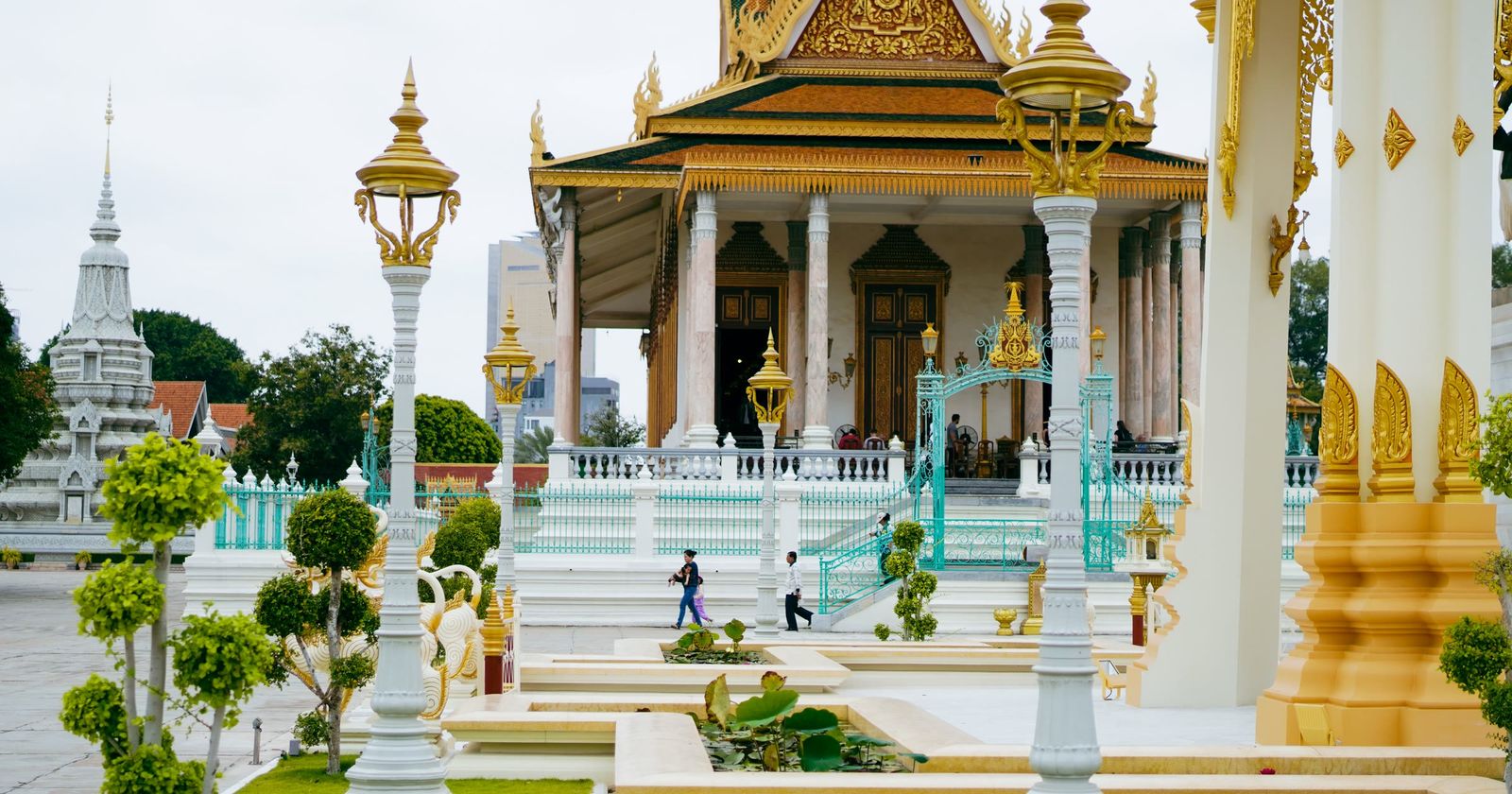
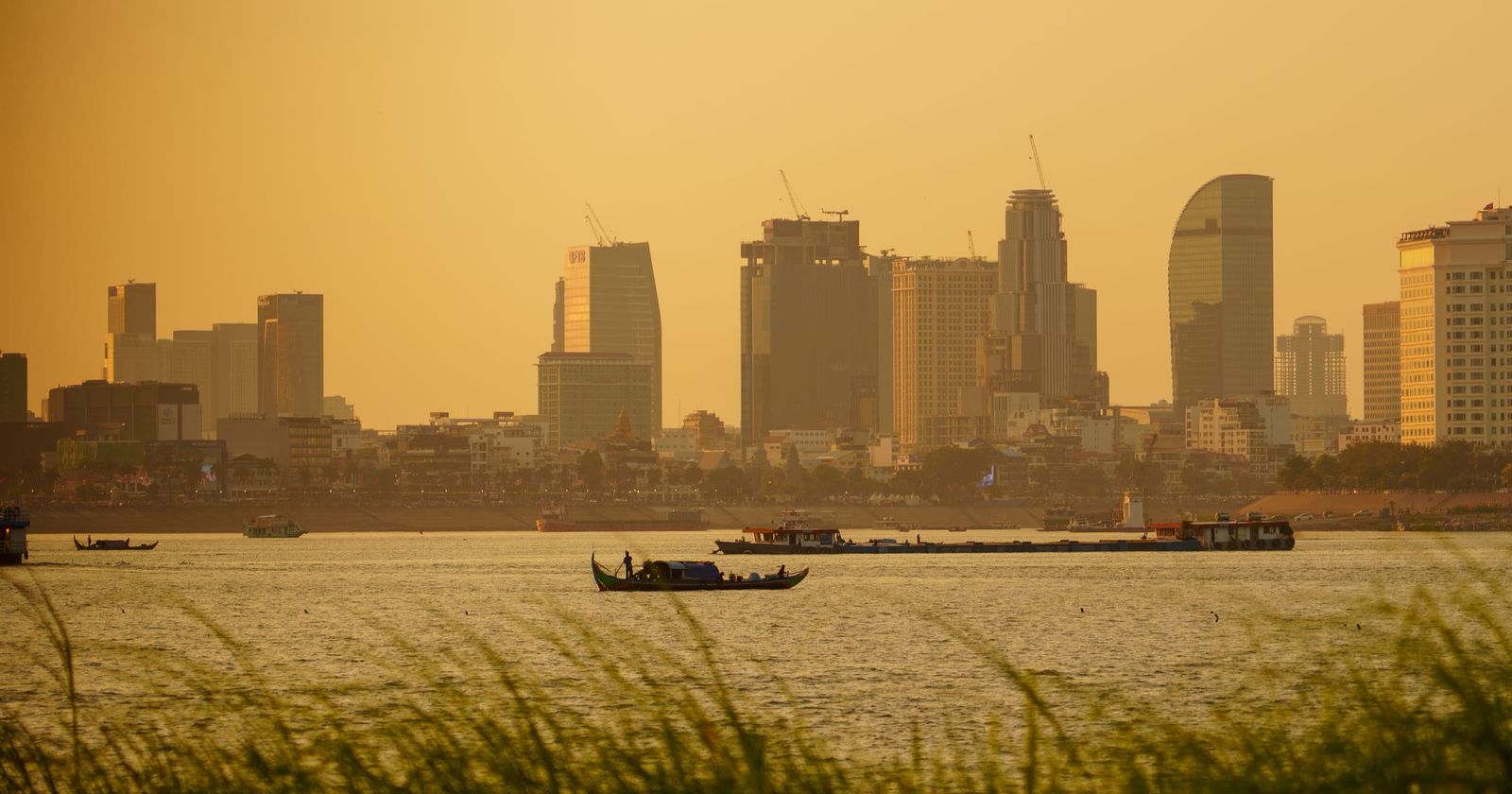
Phnom Penh is the capital and the easy choice. It has the best hospitals, the most supermarkets and restaurants, and the biggest foreign community. It’s also hot, the traffic is heavy and it’s growing fast.
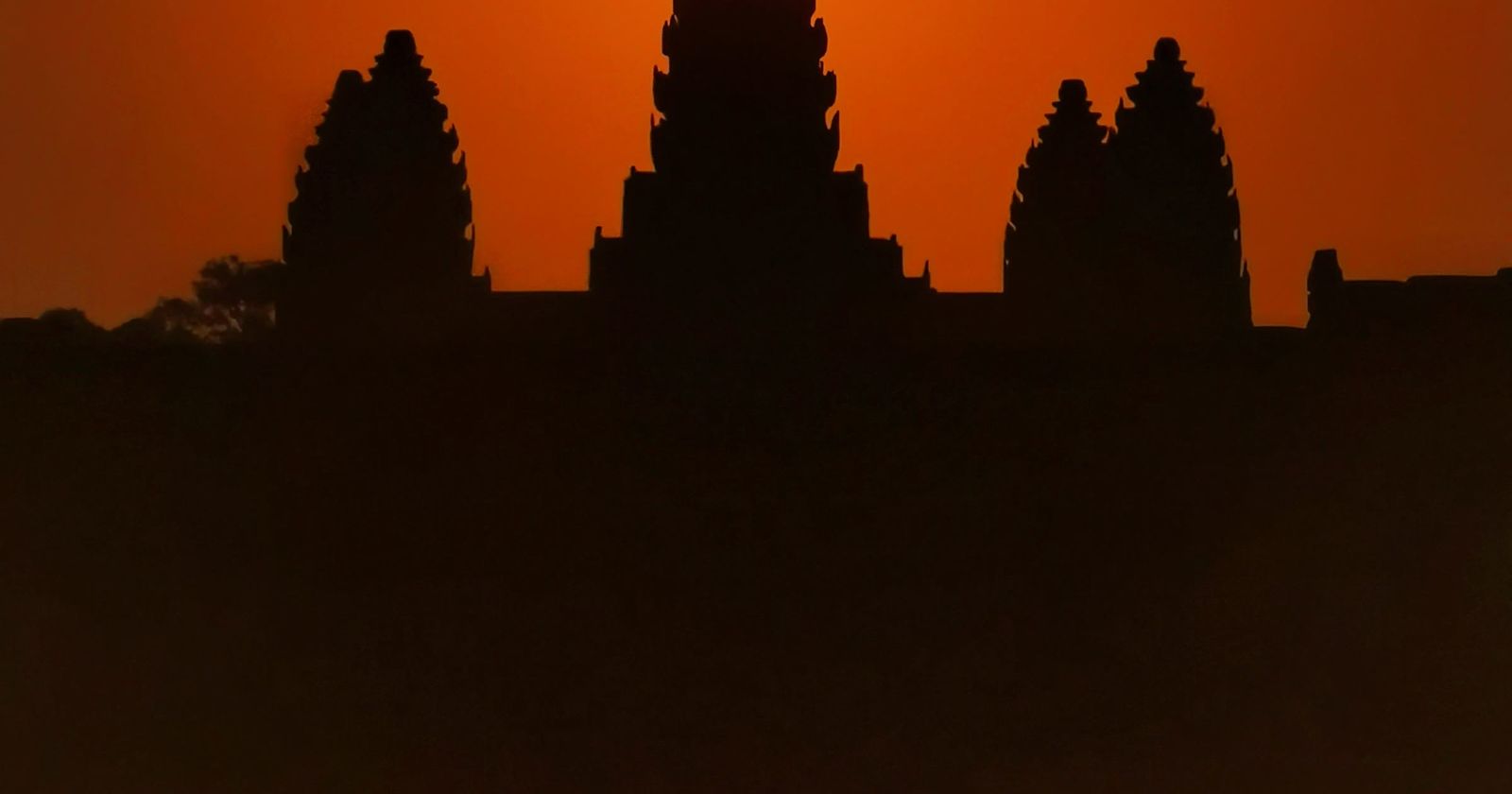
Siem Reap is the town next to Angkor Wat. It’s relaxed, green and cheaper, with good restaurants built for the tourist trade. The low season can feel very quiet, and serious medical care means Phnom Penh or Bangkok.
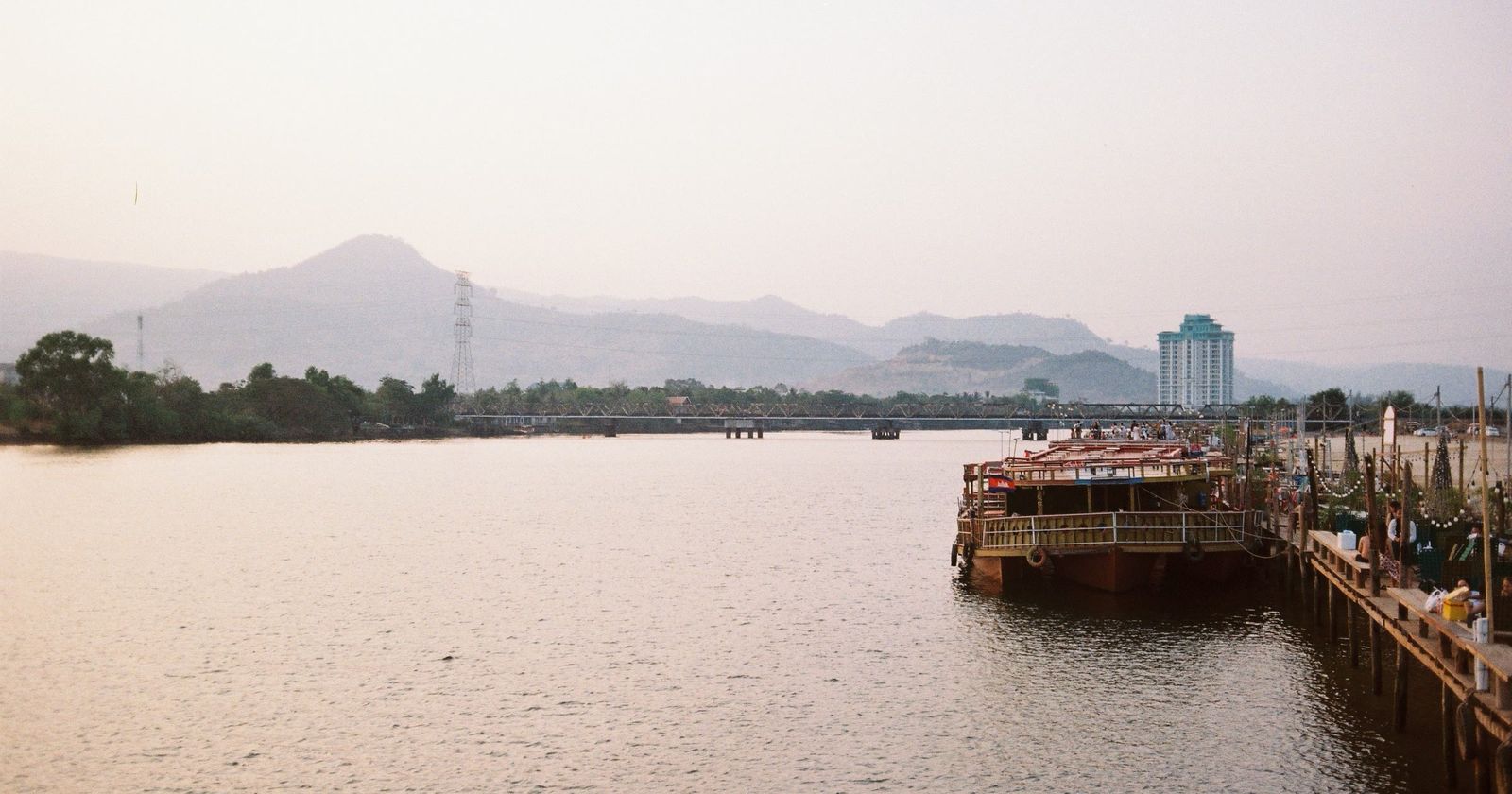
Kampot is a small river town near the coast, about 150km from Phnom Penh and three to four hours by road. The pace is slow, rents are among the lowest in the region and Kep’s beach is about 45 minutes away. It’s where I’m most likely to end up, and living in Kampot has the detail.
Healthcare is the weak spot
This is Cambodia’s biggest catch. Smartraveller says that outside Phnom Penh there are almost no medical facilities that can deal with an emergency, and hospitals generally want cash before they treat you, even in an emergency.
In Phnom Penh, Royal Phnom Penh Hospital and Sunrise Japan Hospital handle most general and specialist care. Siem Reap has Royal Angkor International Hospital. Kampot has Sonja Kill Memorial Hospital, a non-profit hospital outside town with a 24-hour emergency department. For cardiac surgery, complex cancer care or major trauma, most foreigners end up in Bangkok, Singapore or Ho Chi Minh City.
So international health insurance with medical evacuation isn’t optional here. Buy it before you leave home, because some insurers stop taking new customers at 70 or earlier. Healthcare in Cambodia names the hospitals and explains how evacuation works, and the healthcare and insurance guide covers choosing a policy.
If you have a heart condition or anything else where minutes matter, think hard about living anywhere but Phnom Penh.
Safety and the Thai border
Day to day, Phnom Penh, Siem Reap and Kampot are generally safe. Smartraveller says snatch-and-grab theft from motorbikes is common. Keep your phone and bag on the side away from the road, and let go rather than get dragged.
The bigger issue is the border with Thailand. After armed conflict in 2025, Smartraveller says do not travel within 50km of the Thai border in seven provinces: Banteay Meanchey, Oddar Meanchey, Preah Vihear, Battambang, Pailin, Pursat and Koh Kong. The reasons are the conflict, landmines and unexploded ordnance. The land crossings between Cambodia and Thailand are closed.
Flights from Phnom Penh and Siem Reap to Bangkok still run. But if you’d planned to pop over the border by road for shopping or a hospital visit, you can’t for now, and Battambang is off the list of places to live.
Who Cambodia suits, and who it doesn’t
It suits you if you’re 55 or over, want the lowest costs in the region and the simplest visa, and don’t need everything to run smoothly. Prices in US dollars make budgeting easy, too.
It doesn’t suit you if you have complex ongoing health needs, want Thailand-style convenience, or want to own a house. Foreigners can’t own land in Cambodia, only condo units from the first floor up. If that rules it out, compare retiring in South East Asia across all four countries.
Frequently asked questions
Does Cambodia have a retirement visa?
Yes, in effect. You enter on an ordinary (E) visa, US$35, then extend it inside Cambodia as an ER retirement extension for up to 12 months at a time, renewable. You need to be 55 or over, not working, and able to show proof of retirement such as a pension statement. There's no set minimum income or deposit.
How much does the Cambodia retirement visa cost?
The E visa you arrive on is US$35. Cambodia doesn't publish a price for the 12-month ER extension, and most people pay an agent about US$275 to US$300 (about A$390 to A$430) a year. Some agents quote more, so ask two or three.
How much does it cost to retire in Cambodia?
A comfortable single life in Phnom Penh costs roughly US$1,200 to US$2,000 a month (about A$1,700 to A$2,900), including a modern one-bedroom apartment and health insurance. Kampot and Kep run about US$900 to US$1,500. A couple needs roughly US$1,900 to US$3,200 a month in Phnom Penh.
Can I retire in Cambodia if I'm under 55?
Not on the ER extension, which starts at 55. The other long-stay extensions are for working, studying or job seeking, and working needs a work permit. A tourist visa can only be extended once, so there's no easy way to live in Cambodia long term under 55 without a job or business.
Is Cambodia safe for foreign retirees?
Day-to-day life in Phnom Penh, Siem Reap and Kampot is generally safe, and bag snatching from motorbikes is the most common crime. Smartraveller says do not travel within 50km of the Thai border in seven provinces because of armed conflict and landmines, and the land crossings into Thailand are closed. Check the current advice before you plan.
Sources
Last checked 14 October 2026
- Smartraveller, Cambodia (border, crime and health)smartraveller.gov.au
- UK Foreign Office, Cambodia entry requirements (visas, e-Arrival card, FPCS, overstays)gov.uk
- KPMG Cambodia, e-visa fee changes from 1 January 2025kpmg.com
- Acclime Cambodia, immigration guide (E visa extension types)cambodia.acclime.com
- Cambodia Expats Online, visa guide with agent extension prices (updated September 2026)cambodiaexpatsonline.com
- UK Government, list of medical facilities in Cambodia (2026)gov.uk
- Reserve Bank of Australia, exchange ratesrba.gov.au
General information only, current as of 14 October 2026. Rules change, so confirm visa, tax and legal details with the relevant authority or a licensed professional before acting.