

Converted from Australian dollars at the rate on 12 October 2026, so treat them as rough.
A comfortable life for one person in Cambodia costs about US$1,200 to US$2,000 a month in Phnom Penh (about A$1,700–2,900) and US$900 to US$1,500 in Kampot or Kep (about A$1,300–2,100). That includes rent, food, transport, power and international health insurance.
Cambodia is the cheapest of the four countries I cover, but the gap between frugal and comfortable is wide, and power and insurance cost more than people expect. Below are budgets for singles and couples in four towns, then the costs line by line. Kampot is likely my next base, so I’ve been doing these sums for myself.
These are my estimates from local listings and prices, not official figures. Most prices are set in US dollars, so I give US$ first, then a rough conversion at the October 2026 rate (US$1,000 is about A$1,430).
Monthly budgets for one person
These assume a one-bedroom apartment or small house, a mix of local and Western food, tuk-tuks or ride-hailing to get around, and an international health insurance policy. Frugal means a simpler local-style place and mostly local food. Comfortable-plus means a newer apartment with a pool or a house near the river, regular Western meals and a trip or two.
| Town | Frugal | Comfortable | Comfortable-plus |
|---|---|---|---|
| Phnom Penh | US$800–1,100 (about A$1,100–1,600) | US$1,200–2,000 (about A$1,700–2,900) | US$2,200–3,200 (about A$3,200–4,600) |
| Siem Reap | US$650–900 (about A$930–1,300) | US$1,000–1,600 (about A$1,400–2,300) | US$1,800–2,600 (about A$2,600–3,700) |
| Kampot and Kep | US$600–850 (about A$860–1,200) | US$900–1,500 (about A$1,300–2,100) | US$1,700–2,400 (about A$2,400–3,400) |
| Sihanoukville | US$650–900 (about A$930–1,300) | US$1,000–1,600 (about A$1,400–2,300) | US$1,800–2,600 (about A$2,600–3,700) |
Monthly budgets for a couple
A couple doesn’t spend double. Rent and utilities are shared, so add roughly 50 to 70 percent to the single figure, mostly for food, insurance and a second bedroom if you want one.
| Town | Frugal | Comfortable | Comfortable-plus |
|---|---|---|---|
| Phnom Penh | US$1,200–1,700 (about A$1,700–2,400) | US$1,900–3,200 (about A$2,700–4,600) | US$3,400–5,000 (about A$4,900–7,200) |
| Siem Reap | US$1,000–1,400 (about A$1,400–2,000) | US$1,600–2,600 (about A$2,300–3,700) | US$2,800–4,000 (about A$4,000–5,700) |
| Kampot and Kep | US$900–1,300 (about A$1,300–1,900) | US$1,400–2,400 (about A$2,000–3,400) | US$2,600–3,700 (about A$3,700–5,300) |
| Sihanoukville | US$1,000–1,400 (about A$1,400–2,000) | US$1,600–2,600 (about A$2,300–3,700) | US$2,800–4,000 (about A$4,000–5,700) |
Your budget moves with the US dollar
Rent, restaurants, hospitals and visas are all priced in US dollars. The riel, at 4,070 to the dollar on the National Bank of Cambodia’s rate on 13 October 2026, is for small change and some markets.
If your income is in Australian dollars, pounds or euros, your Cambodian costs move with the exchange rate. When the Australian dollar falls 10 percent against the US dollar, your cost of living rises by about the same. Leave some headroom, and read the money transfers guide before you move savings across.
Where the money goes
This is the comfortable budget for one person, line by line. Health insurance is the item that moves most with age.
| Expense (US$ a month) | Phnom Penh | Siem Reap or Sihanoukville | Kampot and Kep |
|---|---|---|---|
| Rent | 400–700 | 300–550 | 250–450 |
| Food and eating out | 300–450 | 250–400 | 250–400 |
| Transport | 60–120 | 40–100 | 40–100 |
| Utilities and internet | 80–150 | 70–140 | 70–130 |
| Health insurance | 100–300 | 100–300 | 100–300 |
| Visa (ER, spread over the year) | About 25 | About 25 | About 25 |
| Everything else | 150–300 | 130–250 | 120–250 |
Rent
A modern one-bedroom serviced apartment in central Phnom Penh, in areas like BKK1 or Tonle Bassac, costs about US$400 to US$700 a month (about A$570–1,000). Older local-style flats further out cost well under that.
In Kampot, a decent one-bedroom place in town runs about US$250 to US$450, and simpler local places start lower. Riverside houses cost more. Kep has fewer rentals, and more of them are houses than apartments. Siem Reap sits between Kampot and Phnom Penh.
Sihanoukville has plenty of empty condos left from the casino building boom, so rents can be negotiable. Check the building is finished, occupied and has working lifts and water before you sign. The apartment-hunting guide covers leases and deposits.
Food
Local meals cost about US$2 to US$5, and a Western restaurant meal US$8 to US$15. Market produce is cheap. Imported cheese, wine, olive oil and cereal cost as much as at home or more. In Kampot and Kep the range is smaller, because most of it comes down from Phnom Penh.
Transport
Most foreigners don’t own a car. Tuk-tuks and ride-hailing apps such as Grab and PassApp cover Phnom Penh for about US$1.50 to US$4 a trip, and Smartraveller says ride-hailing is often safer than flagging a ride. Kampot has ride-hailing too, but fewer drivers, and plenty of people use a bicycle or scooter. The bus or minivan to Phnom Penh takes three to four hours.
Electricity and other utilities
Power is the bill that surprises people. The ASEAN+3 Macroeconomic Research Office says Cambodia’s electricity tariffs are among the highest in ASEAN, particularly for industry, and households feel it once the air conditioning runs.
The Electricity Authority of Cambodia sets the household tariff for EDC, the state utility, which covers Phnom Penh, Siem Reap, Kampot and Preah Sihanouk provinces. These rates haven’t changed since 2021 as far as I can find:
- 1 to 10 kWh a month: 380 riel per kWh
- 11 to 50 kWh: 480 riel
- 51 to 200 kWh: 610 riel (about US$0.15)
- More than 200 kWh: 730 riel (about US$0.18)
Run air conditioning at night and you’ll pass 200 kWh easily. A 400 kWh month comes to roughly US$65 to US$75 (about A$93–110) at EDC rates. Water is usually a few dollars a month, and home internet about US$15 to US$30.
Health insurance
This is the one cost not to trim. Smartraveller says hospitals generally want cash up front, there are almost no emergency facilities outside Phnom Penh, and serious cases are evacuated to Bangkok or Singapore. You need international cover that includes Cambodia and medical evacuation.
As a rough guide, expect US$100 to US$300 a month (about A$140–430) in your 50s and early 60s for a policy with evacuation, and more after that. Some insurers won’t take new customers past a certain age, so get quotes early. The healthcare and insurance guide explains what to look for.
Visa costs
You arrive on an ordinary (E) visa, US$35 online since 1 January 2025, then extend it inside Cambodia. For retirees aged 55 and over that’s the ER retirement extension. There’s no official published price for the 12-month extension, and agents typically charge about US$275 to US$300 (about A$390–430). People working in Cambodia use the EB extension at a similar price, but renewals need a work permit. The visa rules are in retiring in Cambodia.
What’s cheaper, and what costs more than you’d think
Cheaper than people expect:
- rent outside central Phnom Penh, especially in Kampot and Kep
- local food, coffee and beer
- getting around town by tuk-tuk
- the visa: one agent visit a year, with no income test or deposit
Dearer than people expect:
- electricity, once the air conditioning runs
- imported food and wine, and anything Western in the provinces
- health insurance in your late 60s and 70s, and any care beyond a clinic
- flights to Bangkok or Singapore for specialist care, and the hotel nights around them
- exchange rate swings if your income isn’t in US dollars
Which town fits which budget
Phnom Penh costs the most but has the best hospitals, the most supermarkets and the shortest trip to specialist care. If health is a worry, the extra rent buys you something.
Siem Reap is relaxed and cheaper, with good restaurants built for the tourist trade. The new airport is well out of town, and serious care means a trip to Phnom Penh or Bangkok.
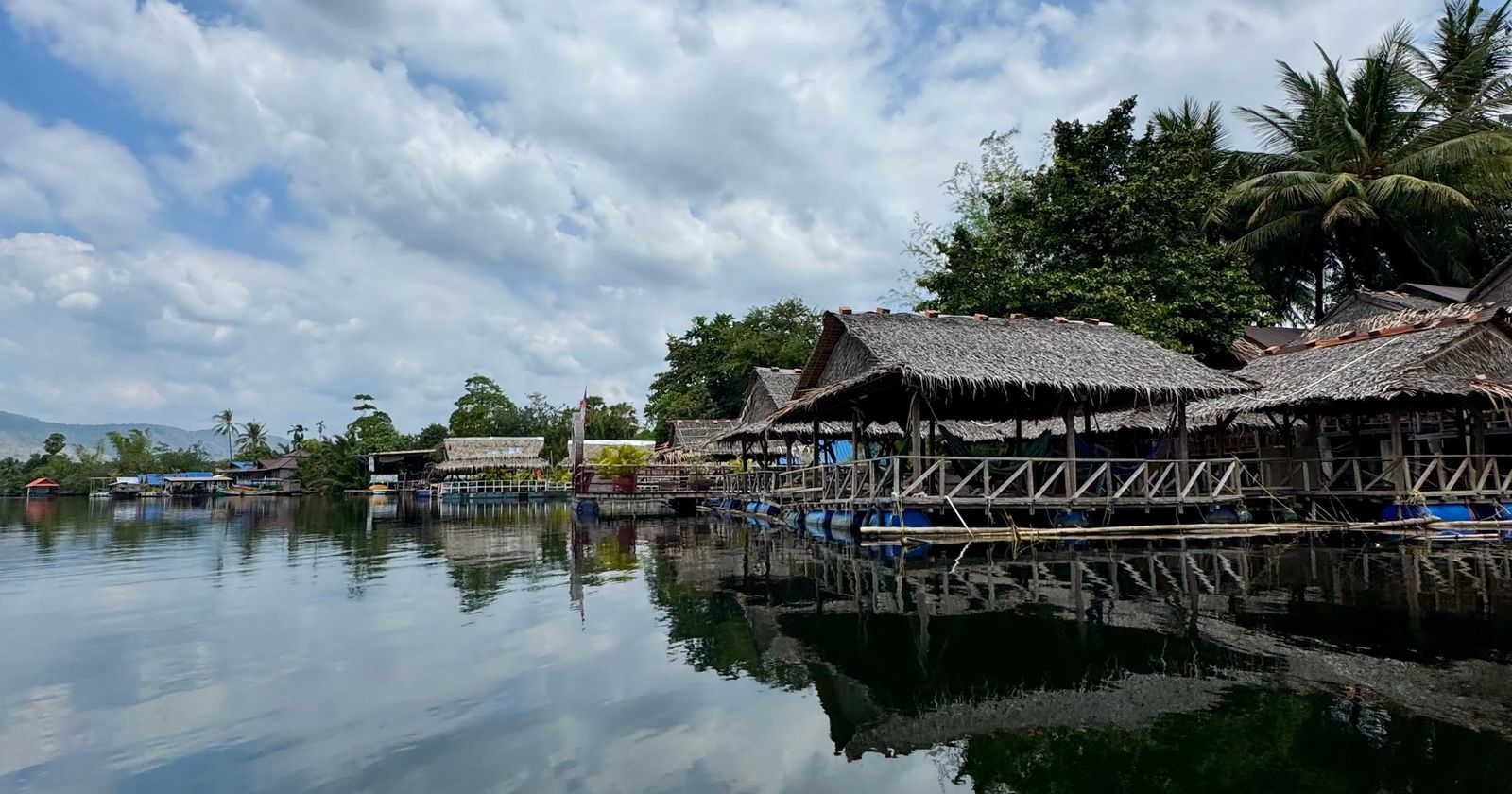
Kampot and Kep have the lowest rents and the slowest pace, three to four hours from Phnom Penh. You trade that for basic healthcare and a smaller range of everything. See living in Kampot for the town itself.
Sihanoukville has the beach and cheap empty condos, but a lot of half-finished construction and a mixed reputation. Visit before you commit.
If you’re still choosing a country, moving to Cambodia covers the steps, and the Thailand vs Vietnam cost guide gives the numbers for the neighbours.
Frequently asked questions
How much does it cost to live in Cambodia per month?
For one person living comfortably, roughly US$1,200 to US$2,000 a month in Phnom Penh (about A$1,700 to A$2,900) and US$900 to US$1,500 in Kampot or Kep (about A$1,300 to A$2,100). That includes rent, food, transport, utilities and health insurance. A frugal life costs less, but cutting insurance is the wrong place to save.
How much do I need to retire in Cambodia?
Plan on about US$1,200 to US$2,000 a month for a single person in Phnom Penh, or US$1,900 to US$3,200 for a couple, and somewhat less in Siem Reap, Kampot or Sihanoukville. The visa side is cheap, about US$275 to US$300 a year for the ER retirement extension through an agent. The big variables are rent and health insurance, which climbs with age.
Is Kampot cheaper than Phnom Penh?
Yes, mainly for rent. A one-bedroom place in Kampot typically runs about US$250 to US$450 a month against US$400 to US$700 for a modern central apartment in Phnom Penh. Imported groceries and specialist healthcare cost the same or more, because they come from Phnom Penh.
How much is electricity in Cambodia?
The state utility EDC charges households 610 riel a kWh for 51 to 200 kWh a month and 730 riel (about US$0.18) above 200 kWh, under tariffs set by the Electricity Authority of Cambodia. With air conditioning, a 400 kWh month comes to roughly US$65 to US$75. Many landlords bill tenants at their own, higher rate, so agree the rate before you sign.
Can I use US dollars in Cambodia?
Yes. Rent, restaurants and most larger purchases are priced in US dollars, and the riel is used for small change, at about 4,070 riel to the dollar. Bring clean, undamaged notes, because worn or torn US notes are often refused.
Sources
Last checked 14 October 2026
- Electricity Authority of Cambodia, Decision No. 014 on the electricity tariff for EDC consumers (English translation, hosted by the Japanese Business Association of Cambodia)jbac.info
- Phnom Penh Post, EAC says no changes to kWh charges for 2024phnompenhpost.com
- ASEAN+3 Macroeconomic Research Office, Cambodia electricity selected issue (July 2026)amro-asia.org
- National Bank of Cambodia, official exchange ratenbc.gov.kh
- KPMG Cambodia, visa fee changes from 1 January 2025kpmg.com
- Acclime Cambodia, immigration guide (E visa extension types)cambodia.acclime.com
- Smartraveller, Cambodiasmartraveller.gov.au
- Reserve Bank of Australia, exchange rates (12 October 2026)rba.gov.au
General information only, current as of 14 October 2026. Rules change, so confirm visa, tax and legal details with the relevant authority or a licensed professional before acting.