
Converted from Australian dollars at the rate on 12 October 2026, so treat them as rough.
At 50 or over with a pension, the SRRV costs a US$15,000 deposit (about A$21,000), a US$1,500 fee and US$360 a year, and it lets you live in the Philippines indefinitely with no visa runs. The rules changed in September 2025, so a lot of what you’ll read online is out of date.
You can apply from 40, but it’s people in their 50s and 60s with a pension who get the best deal. Below are the deposits, the fees, the paperwork and how it stacks up against Thailand.
What the SRRV gets you
The Special Resident Retiree’s Visa is run by the Philippine Retirement Authority (PRA), a government agency set up for this one job.
- You can live in the Philippines indefinitely, with unlimited entries, as long as the deposit stays put and you pay the annual fee.
- No annual report to the Bureau of Immigration, no ACR I-Card and no exit or re-entry permits, all of which other long-stay foreigners deal with.
- The PRA lists pensions and annuities as exempt from Philippine tax, and you can bring in household goods up to US$7,000 duty-free once.
- Your spouse and children under 21 can join as dependants.
- The PRA says you don’t need a separate work visa, but ask what permits a particular job needs before you take one.
Who qualifies
Since 1 September 2025 the minimum age is 40, with bigger deposits for people under 50. Most foreign retirees use the SRRV Classic. The SRRV Courtesy, with much smaller deposits, is only for retired diplomats, some former military and former Filipino citizens. The old Smile and Human Touch options are gone.
The deposit drops by half if you have a pension of at least US$800 a month (about A$1,100), or US$1,000 (about A$1,400) if you bring dependants. A government pension such as the Australian Age Pension, the UK State Pension or US Social Security, or a defined-benefit pension, is the clear case. If your income is an account-based super pension or an annuity, ask the PRA what evidence it accepts before you count on the lower deposit.
The deposit
| SRRV Classic deposit | Age 50 and over | Age 40 to 49 |
|---|---|---|
| With a pension | US$15,000 (about A$21,000) | US$25,000 (about A$36,000) |
| Without a pension | US$30,000 (about A$43,000) | US$50,000 (about A$72,000) |
The deposit goes into a PRA-accredited bank in the Philippines and stays there while you hold the visa. It’s still your money, and it comes back when you cancel the visa. Each dependant beyond two adds another US$15,000.
The PRA says Classic holders can use the deposit “for investment purposes allowed under the SRRV program”. In the past that included buying a condo or a long-term lease. The PRA hasn’t republished the detailed rules since the 2025 changes, so ask before you plan around it.
Foreigners can’t own land in the Philippines, but they can own a condominium unit as long as foreigners own no more than 40 percent of the building.
What it costs to apply and keep
- Application (processing) fee: US$1,500 (about A$2,100), plus US$300 (about A$430) for each dependant.
- Annual fee: US$360 (about A$520), covering you and up to two dependants. Each extra dependant is US$100 a year.
You pay the annual fee to the PRA in cash, in US dollars or pesos, or into the PRA’s Land Bank account.
How to apply
You apply to the PRA while you’re in the Philippines on a valid tourist stay. The PRA’s checklist for the Classic:
- your passport, with a tourist stay valid for at least a month while the application is processed
- the PRA application form
- a medical certificate issued in the last six months
- a police clearance from your home country (or where you’ve lived), issued in the last six months
- a Bureau of Immigration Clearance Certificate, which is new since 2025
- an NBI clearance, only if you’ve been in the Philippines more than 90 days
- eight recent 2x2-inch photos on a white background
- proof the deposit has been sent to an accredited bank, and proof of pension if you’re using one
The PRA can ask for more, so check the current list with them before you gather documents from home. For Australians, the police clearance is the AFP national police check.
Visiting before you commit
Australians, Americans, Britons, Canadians, New Zealanders and most Europeans get 30 days visa-free. You need a passport valid for six months, an onward ticket, and a free eTravel registration in the 72 hours before you arrive.
You can extend that stay inside the Philippines, a month or two at a time, up to 36 months in total. That gives you time to try a few places before you put a deposit down. The steps and fees are in the Philippines visa extension guide.
The SRRV next to Thailand’s retirement visa
| Philippines SRRV Classic | Thailand retirement visa | |
|---|---|---|
| Minimum age | 40 | 50 |
| Money | US$15,000 deposit with a pension | 800,000 THB (about A$34,000) in the bank, or 65,000 THB (about A$2,800) a month income |
| Renewal | Annual fee, no reapplying | Extend every year at immigration |
| Language | English everywhere | Thai, with English in tourist areas |
The SRRV is the cheaper and simpler visa to hold over the long run. Thailand has the stronger hospitals. See the Thailand retirement visa guide for its rules.
Is the Philippines right for you?
English is an official language, used in government, courts, banks and hospitals, so leases and doctor’s appointments happen in English. That removes one of the biggest day-to-day frictions in the rest of the region.
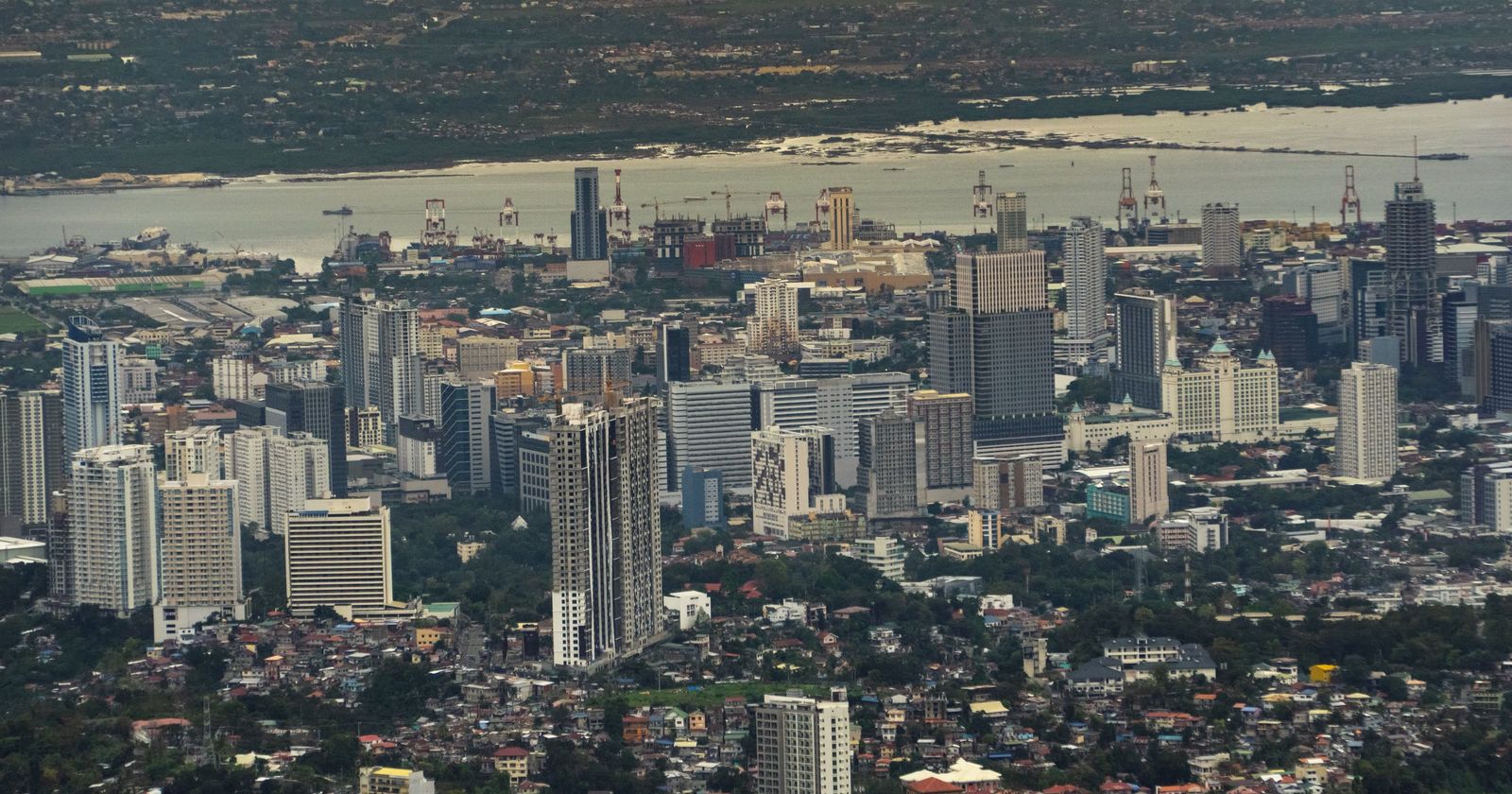
The trade-offs are heat, typhoons from about late May to December, city traffic and healthcare that drops off fast outside Manila and Cebu. You’ll want international health insurance with evacuation cover. See the healthcare and insurance guide.
For where retirees live and what a month costs, read moving to the Philippines.
Frequently asked questions
What is the minimum age for the Philippines SRRV?
Since 1 September 2025, 40. Applicants aged 40 to 49 pay a larger deposit than those 50 and over. The SRRV Smile and Human Touch options you'll still see quoted online are no longer offered.
How much is the SRRV deposit?
For the SRRV Classic at 50 or over, US$15,000 (about A$21,000) if you have a pension of at least US$800 a month (US$1,000 with dependants), or US$30,000 (about A$43,000) without one. At 40 to 49 it's US$25,000 with a pension or US$50,000 without. The deposit stays in a PRA-accredited Philippine bank for as long as you hold the visa.
What does the SRRV cost each year?
After a one-off US$1,500 application fee, US$360 a year (about A$520) for you and up to two dependants. Each extra dependant is US$100 a year. You pay it to the Philippine Retirement Authority every year you hold the visa.
Can I apply for the SRRV from outside the Philippines?
In practice you apply in the Philippines. The PRA asks for your passport with a valid tourist visa or stay, so most people enter visa-free, extend if they need more time, and lodge the application with the PRA.
Sources
Last checked 14 October 2026
- Philippine Retirement Authority, SRRV requirements, deposits and feespra.gov.ph
- ACCRA Law, updates on the Philippine retirement visa program (October 2025)accralaw.com
- Philippine Bureau of Immigration, visa waiver and extensionsimmigration.gov.ph
- Swiss Federal Department of Foreign Affairs, Philippines entry and stay (eTravel, passport validity)eda.admin.ch
- Smartraveller, Philippinessmartraveller.gov.au
- Reserve Bank of Australia, exchange ratesrba.gov.au
General information only, current as of 14 October 2026. Rules change, so confirm visa, tax and legal details with the relevant authority or a licensed professional before acting.