
Converted from Australian dollars at the rate on 12 October 2026, so treat them as rough.
You can live in the Philippines for up to three years on tourist extensions, stretching a 30-day visa-free entry a month or two at a time. If you decide to stay, the SRRV retirement visa at 50 or over needs a US$15,000 deposit with a pension (about A$21,000).
This is for anyone thinking of living or retiring there, especially over 50. English is an official language, so leases, bank forms, doctor’s appointments and immigration paperwork all happen in English. For a lot of older movers, that matters as much as any visa rule.
Arriving: 30 days visa-free, plus eTravel
Australians, Britons, Americans, Canadians and New Zealanders can all enter without a visa for an initial stay of 30 days, as can most Europeans. The Philippine e-Visa site sets the conditions:
- a passport valid for at least six months beyond the stay you plan
- a return ticket home or an onward ticket to another country
- the final say on entry rests with the immigration officer at the airport
Everyone also registers on eTravel, the government’s online arrival declaration, within 72 hours before arriving. It’s free, so any site that charges you for it isn’t the official one (etravel.gov.ph).
Three ways to stay long term
Tourist extensions, where most people start
You don’t have to leave after 30 days. The Bureau of Immigration (BI) lets visa-free visitors extend, first by 29 days, then by one, two or six months at a time. Nationals of visa-free countries can keep extending up to 36 months from their latest arrival. Once your stay passes 59 days you also need an ACR I-Card, the immigration ID card for foreigners.
This is the low-commitment way to spend a year finding out whether the Philippines suits you. The price is an application every month or two, online or at an immigration office. If you’ve stayed six months or more, you also need an emigration clearance certificate (ECC), applied for at least 72 hours before you fly out. The fees and steps are in the Philippines visa extension guide.
The SRRV retirement visa
The Special Resident Retiree’s Visa is run by the Philippine Retirement Authority (PRA). It lets you live in the Philippines indefinitely with multiple entries, as long as you keep a deposit in a PRA-accredited Philippine bank and pay the annual fee. The minimum age is 40. The PRA’s current deposits for the SRRV Classic:
| Deposit | Age 50 and over | Age 40 to 49 |
|---|---|---|
| With a lifetime pension of at least US$800 a month (US$1,000 with dependants) | US$15,000 (about A$21,000) | US$25,000 (about A$36,000) |
| Without a qualifying pension | US$30,000 (about A$43,000) | US$50,000 (about A$72,000) |
On top of that there’s a one-off processing fee of US$1,500 (about A$2,100), US$300 for each dependant, and an annual fee of US$360 (about A$520) covering you and up to two dependants. You apply in the Philippines while on a valid tourist stay. The Philippines SRRV guide covers what counts as a pension, the documents and what the deposit can be used for.
The 13A, if you’re married to a Filipino
The 13A is the immigrant visa for the foreign spouse of a Philippine citizen. It’s granted on probation for one year, then you apply to the BI to have it made permanent. The BI asks for a marriage that’s valid under Philippine law, no criminal or immigration record against you, no dangerous contagious disease, enough money to live on, and a lawful entry.
You can get it two ways:
- Before you go, through a Philippine embassy or consulate. The consulates in Sydney and Melbourne ask for an Australian Federal Police fingerprint-based check, a medical on the official form, proof of finances and your marriage papers.
- In the Philippines, by converting your tourist stay at the BI. The BI’s most recent published fee table (from 2014) puts the main applicant’s fee at 8,620 PHP (about A$200), plus US$50 for the ACR I-Card. Ask the BI for the current figure.
The 13A is only open to citizens of countries that give Filipinos the same right to permanent residence. If yours doesn’t, the BI points you to the Temporary Resident Visa instead. Check with the embassy before you plan around it.
Where retirees live
Where you live will shape daily life more than your visa will. These are the places retirees look at most.
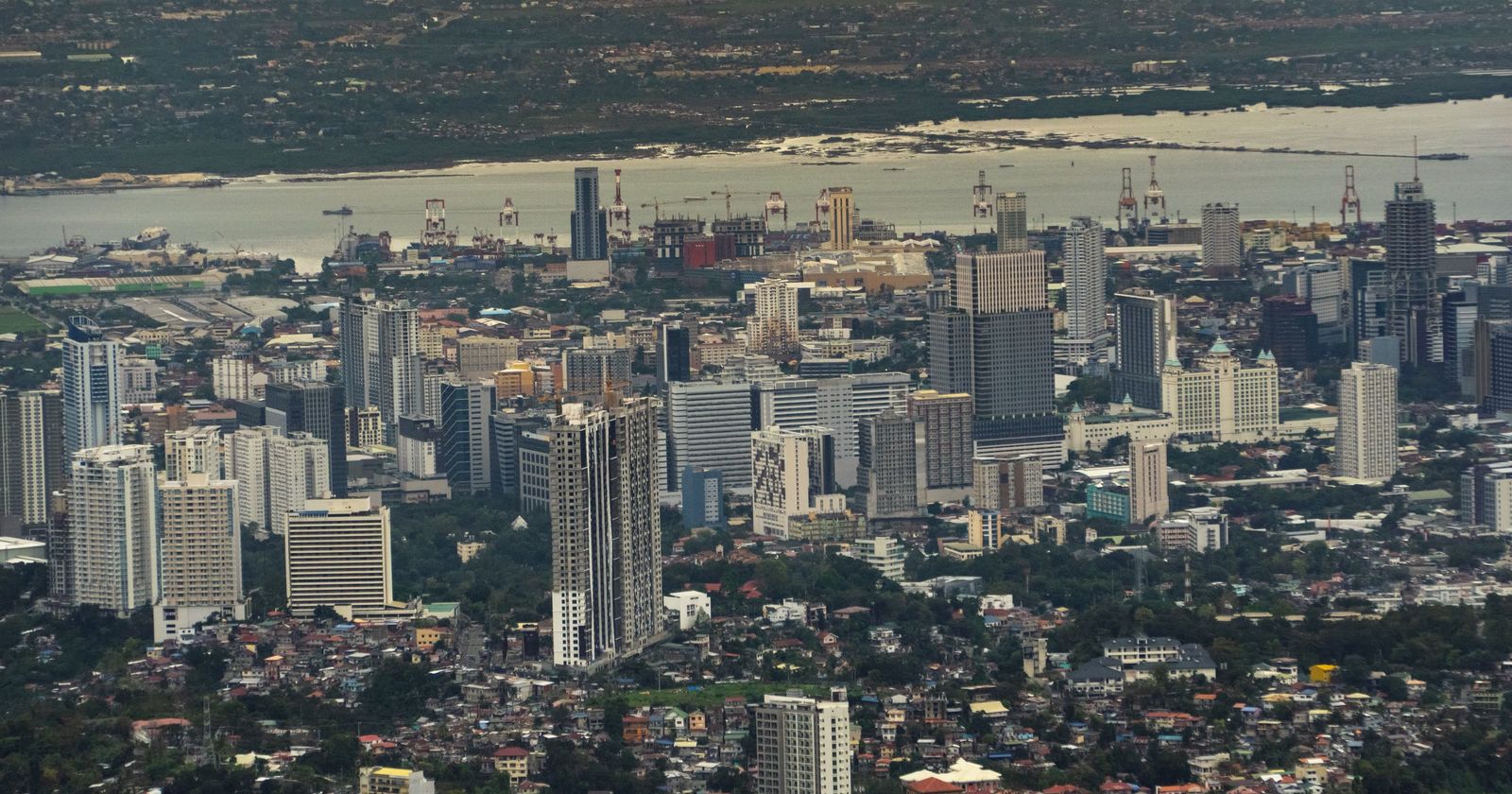
Cebu City is the second city and the hub for the central islands. It has an international airport on neighbouring Mactan Island, large private hospitals, malls and a big foreign community. The trade-offs are traffic, heat and noise.
Dumaguete, on the south-east coast of Negros, is a smaller university town (Silliman University is here) with a seafront boulevard and a sizeable retiree community for its size. Life is slower and cheaper than in Cebu. For complex medical care you’d go to Cebu or Manila.
Baguio, in the mountains of northern Luzon, sits about 1,500 metres up, so it’s much cooler than the lowlands. That suits people who struggle with heat. It’s also very wet in the rainy season and a long drive from Manila.
Davao City, on Mindanao, is the biggest city in the south and costs less than Manila or Cebu. Read the safety section before you go further: the travel advice for Mindanao is the strictest in the country.
Subic and Clark in Central Luzon are former US military bases, now freeport zones. They’re more planned and greener than most of the region, and Clark has its own international airport. Angeles City, next to Clark, has a large bar scene, which suits some people and puts others off.
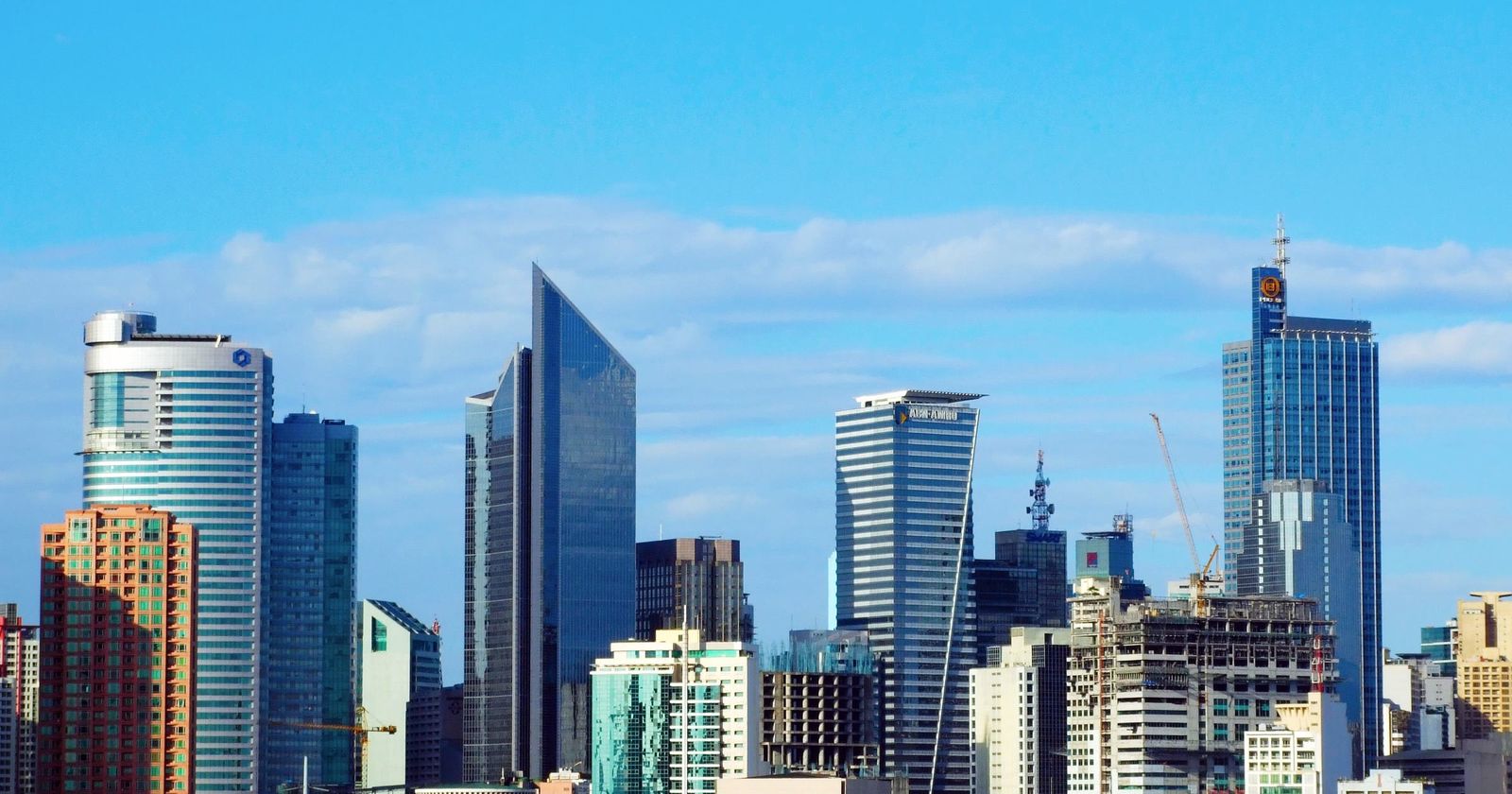
Metro Manila suits people who want the best hospitals and everything a capital offers, and can live with the traffic and the cost.
Foreigners can’t own land in the Philippines, so rent for your first year wherever you choose. The SRRV guide explains the condo exception.
What it costs a month
These are rough monthly budgets for one person living comfortably: a modern one-bedroom condo or small house, air conditioning, eating out a few times a week and local transport. Health insurance is extra. A couple should add roughly 50 to 70 percent, not double.
| City | PHP a month | About (A$/mth) |
|---|---|---|
| Metro Manila (Makati, BGC) | 110,000–175,000 | 2,500–4,000 |
| Cebu City | 80,000–130,000 | 1,800–3,000 |
| Davao City | 60,000–95,000 | 1,400–2,200 |
| Dumaguete | 53,000–80,000 | 1,200–1,800 |
Rent is the biggest variable everywhere. Baguio, Subic and Clark vary a lot by neighbourhood, so price a few places there before you set a budget.
Hospitals, insurance and PhilHealth
Private care in Metro Manila is good. Smartraveller describes the major private hospitals there as well equipped and internationally accredited. The UK Government’s list of medical facilities includes St. Luke’s Medical Center (Quezon City and BGC), Makati Medical Center, The Medical City and Asian Hospital and Medical Center. In Cebu, the UK Government’s earlier list names Chong Hua Hospital, a large private hospital with sites in Cebu City and Mandaue.
Outside the big cities, facilities can be limited, and Smartraveller says most hospitals want payment or a guarantee before they treat you. If you live in Dumaguete, Baguio or a smaller island, assume a serious case means a transfer to Cebu or Manila. Buy international health insurance with medical evacuation; Medicare, the NHS and other home systems won’t pay for care there. The healthcare and insurance guide explains what to look for.
PhilHealth, the national health insurer, takes foreign members. Foreigners with an ACR I-Card register at a PhilHealth office, and SRRV holders register through the PRA, which lists a special PhilHealth rate for retirees. PhilHealth pays a fixed amount per case at accredited hospitals. If you’re in a private room at a private hospital, you pay the rest. It’s a useful top-up, not a replacement for insurance. PhilHealth doesn’t publish a current premium for foreign members on its site, so ask PhilHealth or the PRA what you’d pay.
Banking and moving money
The peso is the currency for everything. Philippine banks such as BPI list a foreign passport or ACR I-Card as accepted ID for opening an account. Ask the branch what else it wants before you go in. On the SRRV, your deposit has to sit in a PRA-accredited bank, so it can make sense to open your everyday account there too.
Keep home accounts that still work once you’ve left, and move money with a transfer service rather than a bank wire. The expat banking guide covers which Australian accounts survive the move, and the money transfers guide compares the main services.
Typhoons, earthquakes and safety
Typhoons are part of life. Smartraveller says they usually occur between late May and December, and the UK FCDO counts around 20 a year. They disrupt phones, internet and flights, and bring floods and landslides. When you look at a home, ask how it fared in the last big storm, and follow PAGASA, the state weather agency.
Earthquakes and volcanoes come with sitting on the Ring of Fire. A magnitude 6.9 earthquake struck northern Cebu on 30 September 2025. Taal, south of Manila, and Mayon in southern Luzon are active, and the 2024 eruption of Kanlaon on Negros cancelled flights in the region.
Crime and terrorism. Smartraveller advises a high degree of caution across the country because of terrorism and violent crime, including in Metro Manila. For Mindanao, the advice is stricter:
- Smartraveller: do not travel to central or western Mindanao. Reconsider your need to travel to eastern Mindanao, except Camiguin, Dinagat and Siargao islands.
- UK FCDO: against all travel to western and central Mindanao and the Sulu archipelago, and against all but essential travel to the rest of Mindanao, apart from those same three islands.
- US and Canada: both leave Davao City out of their higher-level warnings for Mindanao.
So the advice on Davao depends on your passport. For Britons it falls under “all but essential travel”, and Australians should check where it sits on Smartraveller’s map. Travel insurance may not cover you in areas under these levels, so check your policy before you commit.
What to do, and when
| When | What to do |
|---|---|
| 6 to 12 months out | Visit on the 30-day entry, ideally two cities. Decide which route fits: extensions, SRRV or 13A. |
| 4 to 6 months out | Get insurance quotes while you’re healthy. Sort home tax and pension questions (Australians, see the expat tax guide). |
| 2 to 3 months out | For a 13A from home, apply at the embassy or consulate. For the SRRV, gather proof of your pension and have home documents apostilled. |
| Arrival | eTravel within 72 hours before landing. Book a month of short-stay accommodation and look in person. |
| Before day 30 | First extension at the BI, online or in person. |
| Past 59 days | ACR I-Card with your next extension. Sign a longer lease once you know the area. |
| Once you’re sure | Lodge the SRRV with the PRA while you still have at least a month of valid stay, or convert to the 13A at the BI. SRRV police and medical certificates must be under six months old, plus an NBI clearance if you’ve been in the country over 90 days. |
| Every year | On a 13A, make the BI’s annual report in the first 60 days of the year (SRRV holders are exempt, per the PRA). On extensions, get an ECC before any trip out after six months or more. |
Frequently asked questions
How long can I stay in the Philippines without a visa?
Australians, Britons, Americans, Canadians and New Zealanders get an initial 30 days visa-free. You need a passport valid for six months beyond your stay, an onward or return ticket, and a free eTravel registration within 72 hours before you arrive. You can then extend at the Bureau of Immigration, up to 36 months from your latest arrival.
What is the best visa to retire in the Philippines?
For most retirees it's the SRRV, run by the Philippine Retirement Authority, which lets you live there indefinitely. At 50 or over it needs a US$15,000 deposit (about A$21,000) with a lifetime pension of US$800 a month, or US$30,000 (about A$43,000) without one. If you're married to a Filipino, the 13A spouse visa is the other main route, and many people spend a year on tourist extensions before choosing.
Can foreigners join PhilHealth?
Yes. Foreigners with an ACR I-Card can register at a PhilHealth office, and SRRV holders register through the Philippine Retirement Authority at a special rate. PhilHealth pays a set amount per case at accredited hospitals, so in a private room you pay the balance. Treat it as a top-up to international health insurance, not a replacement.
How much does it cost to live in the Philippines?
For one person living comfortably, allow roughly 53,000 to 80,000 PHP a month in Dumaguete (about A$1,200 to A$1,800), 80,000 to 130,000 PHP in Cebu City (about A$1,800 to A$3,000) and 110,000 to 175,000 PHP in Metro Manila (about A$2,500 to A$4,000). Health insurance is extra. A couple should add 50 to 70 percent.
Is the Philippines safe for retirees?
Smartraveller advises a high degree of caution across the country because of terrorism and violent crime, and says do not travel to central or western Mindanao. The main retiree areas, such as Manila, Cebu, Dumaguete and Baguio, are outside those zones. Wherever you live, plan for typhoons, which usually occur between late May and December.
Sources
Last checked 14 October 2026
- Philippine e-Visa (Department of Foreign Affairs), Philippine visa policy and 30-day visa-free listevisa.gov.ph
- Philippine Embassy in Bern, entry and visa checklist (eTravel within 72 hours)bernepe.dfa.gov.ph
- eTravel, Philippine One-Stop Electronic Travel Declaration Systemetravel.gov.ph
- Philippine Bureau of Immigration, visa waiver and extensions of stayimmigration.gov.ph
- Philippine Bureau of Immigration, FAQs (extensions, 13(a), ACR I-Card, annual report, ECC)immigration.gov.ph
- Philippine Bureau of Immigration, immigrant visa by marriage (13A)immigration.gov.ph
- Philippine Bureau of Immigration, Citizen's Charter 2026 (13A probationary for one year)immigration.gov.ph
- Philippine Consulate General Melbourne, 13(a) non-quota immigrant visa requirementsmelbournepcg.dfa.gov.ph
- Philippine Retirement Authority, SRRV requirements, deposits and feespra.gov.ph
- PhilHealth, coverage for foreign nationalsphilhealth.gov.ph
- PhilHealth Circular 2025-0020, emergency benefit (foreign nationals eligible if registered)philhealth.gov.ph
- PhilHealth Circular 2024-0012, rules for adjusting case ratesphilhealth.gov.ph
- UK Government, English-speaking doctors and medical facilities in the Philippinesgov.uk
- UK Government, medical facilities, ambulance and medivac companies in the Philippines (December 2022)assets.publishing.service.gov.uk
- UK Government, living in the Philippinesgov.uk
- BPI, account opening requirementsbpi.com.ph
- Smartraveller, Philippinessmartraveller.gov.au
- UK FCDO, Philippines travel advice and safety and securitygov.uk
- US Department of State, Philippines travel advisorytravel.state.gov
- Government of Canada, Philippines travel advicetravel.gc.ca
- Reserve Bank of Australia, exchange ratesrba.gov.au
General information only, current as of 14 October 2026. Rules change, so confirm visa, tax and legal details with the relevant authority or a licensed professional before acting.